The 2025 Infrastructure Boom, Trump’s AI Executive Orders, and the Fight Over America’s Electricity and Water
🎧 Related Podcast Episode
Executive Summary
In January 2025, President Trump stood in the White House flanked by Sam Altman (OpenAI), Larry Ellison (Oracle), and Masayoshi Son (SoftBank) to announce what he called “the largest AI infrastructure project in history”—the $500 billion Stargate initiative.
It was just the beginning.
By November 2025, the scale of AI data center investment in the United States has become almost incomprehensible:
- Stargate (OpenAI/Oracle/SoftBank/MGX): $500 billion committed by 2029, ahead of schedule with $400B+ already allocated
- Meta Platforms: $600+ billion investment through 2028, building 2-5 gigawatt data centers
- Microsoft: $80 billion in fiscal 2025 alone for AI data centers
- Amazon AWS: $100+ billion AI infrastructure expansion
- Google: $75 billion globally for data center infrastructure
- xAI (Elon Musk): Colossus supercomputer expanding to 1+ gigawatts in Memphis
- Apple: $500 billion four-year investment across nine states [
When Unplugging Costs Millions: The Airline Data Center Disasters That Proved “Human Error” Is Management Failure
Executive Summary Between August 2016 and May 2017, two of the world’s largest airlines—Delta and British Airways—experienced catastrophic data center failures that grounded thousands of flights, stranded over 150,000 passengers, and cost a combined $330+ million. Both incidents were blamed on “human error”: a maintenance technician at

Breached CompanyBreached Company
Total AI data center capital expenditure across major tech companies in 2025: Over $370 billion (up 64% from 2024’s $220 billion). Projected 2026 spending: $500+ billion.
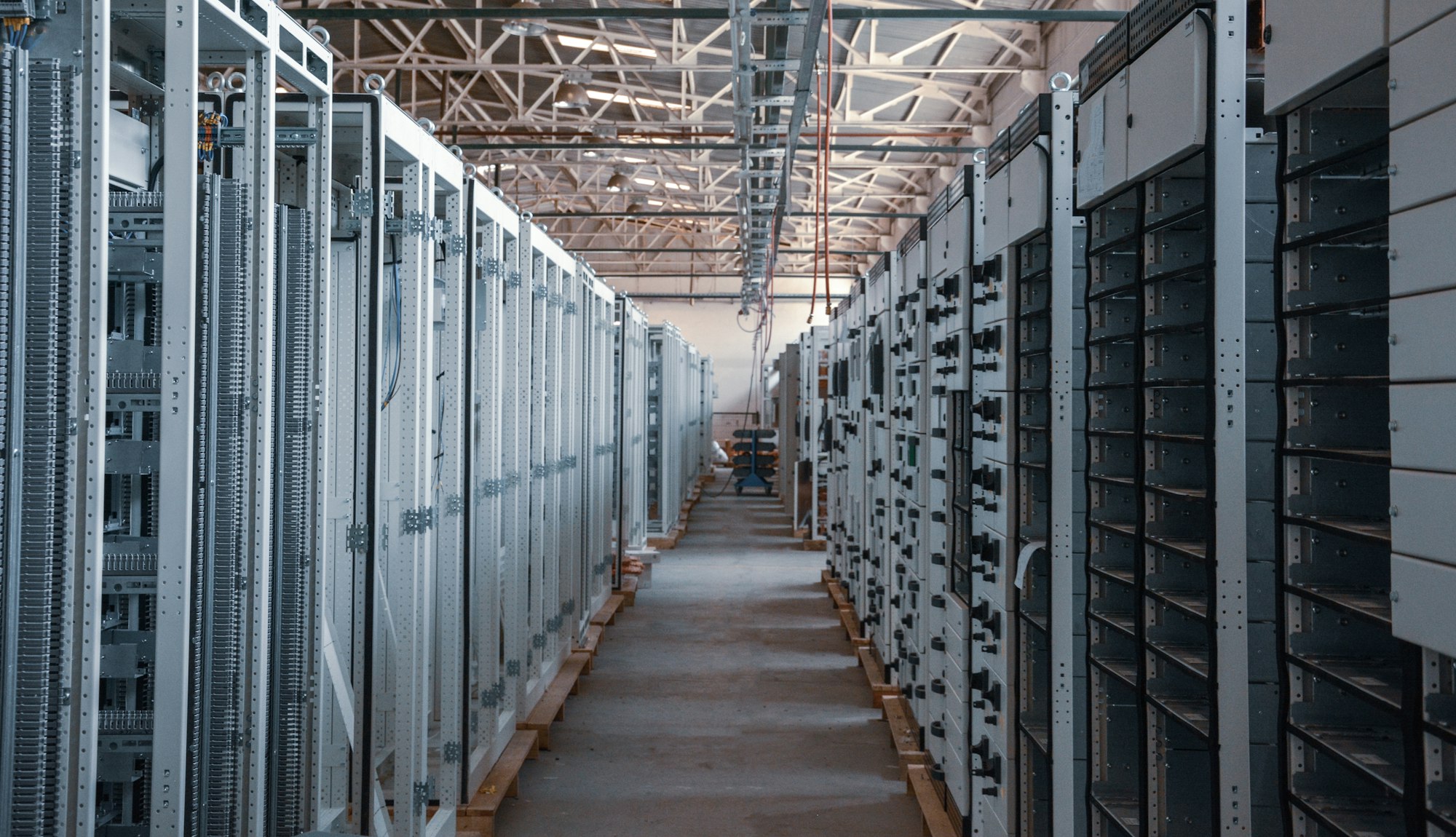
These aren’t just numbers. These are physical infrastructure projects consuming:
- Enough electricity to power millions of homes
- Billions of gallons of water daily for cooling systems
- Land measured in thousands of acres
- Power infrastructure equivalent to multiple nuclear power plants
And here’s what nobody anticipated: The communities hosting these data centers are fighting back.
From Memphis, Tennessee to El Paso, Texas to Louisiana to Wisconsin, residents are discovering that the “jobs and economic growth” promised by tech giants comes with a cost nobody disclosed: depleted water supplies, spiking electricity bills, toxic air pollution, and infrastructure strain on communities that were never asked if they wanted to sacrifice their resources for AI training.
This article documents the 2025 AI data center gold rush—the staggering investments, the Trump administration’s aggressive push to fast-track infrastructure, and the emerging backlash from communities paying the price for America’s AI ambitions with their water, power, and health.
Part I: Project Stargate - The $500 Billion Anchor
The White House Announcement (January 21, 2025)
The day after Donald Trump’s second inauguration, he gathered tech leaders at the White House for a historic announcement. Standing with Sam Altman, Larry Ellison, and Masayoshi Son, Trump unveiled Stargate LLC—a joint venture between OpenAI, SoftBank, Oracle, and Abu Dhabi’s MGX to invest $500 billion in U.S. AI infrastructure by 2029.
“This will be the largest AI infrastructure project in history,” Trump declared.
The commitment:
- Initial $100 billion deployed immediately
- $500 billion total over four years
- 10 gigawatts of data center capacity (equivalent to 10 nuclear reactors)
- 100,000+ jobs created
- SoftBank handles financing, OpenAI manages operations
- Masayoshi Son serves as chairman
Trump compared it to the Manhattan Project and pledged to use executive orders and emergency declarations to expedite development.
The Abilene Flagship (September 2025)
By September 2025, OpenAI and Oracle brought online the flagship Stargate site in Abilene, Texas—about 180 miles west of Dallas.
The specifications:
- First building operational, second nearly complete
- Oracle Cloud Infrastructure with Nvidia GB200 racks
- 1 gigawatt capacity (enough to power 750,000 homes)
- Potential to scale past 1 gigawatt at campus
- NVIDIA personally engaged in last-minute negotiations
“We’re just getting going here in Abilene, Texas, but you’ll see this all around the United States and beyond,” OpenAI CFO Sarah Friar told CNBC.
The Expansion (September-October 2025)
On September 23, 2025, OpenAI announced five additional Stargate data center sites:
- Shackelford County, Texas (Oracle-led)
- Doña Ana County, New Mexico (Oracle-led) - $165 billion Project Jupiter
- Lordstown, Ohio (SoftBank-led)
- Milam County, Texas (SoftBank-led)
- Wisconsin (Oracle/Vantage partnership)
The updated numbers (October 2025):
- Nearly 7 gigawatts of planned capacity
- Over $400 billion in committed investment over next 3 years
- On track to hit full $500B, 10GW commitment by end of 2025—ahead of schedule
- 25,000+ jobs from these five sites alone
Global expansion:
- Stargate UAE: First international project (May 2025)
- Stargate Norway: Launched July 31, 2025
- Stargate Argentina: $25 billion, 500MW capacity in Patagonia (October 2025)
- UK, Japan exploring partnerships [
When Markets “Overheat”: The Suspiciously Timed CME “Cooling Failure” That Halted Silver’s Historic Breakout
Executive Summary On November 28, 2025, as silver futures approached historic breakout levels above $54/oz and gold surged past $4,186, the Chicago Mercantile Exchange—the world’s largest derivatives exchange—experienced a “cooling system failure” at its CyrusOne CHI1 data center in Aurora, Illinois. The 10+ hour outage halted

Breached CompanyBreached Company
The Reality Behind the Hype
But by August 2025, Bloomberg reported that despite the announcements, the project had fundamental problems:
- No funds actually raised to meet $500B budget
- Market uncertainty and AI hardware valuations causing delays
- Internal friction between OpenAI and SoftBank over site locations
- OpenAI making separate $30B deal with Oracle for 4.5GW outside Stargate framework
- Targets “downgraded to build a single data center in Ohio by end of 2025”
The Information reported that SoftBank and OpenAI each committed only $19 billion initially (40% ownership each), Oracle and MGX contributed $7 billion each, with remaining funds from “limited partners and debt financing.”
Wall Street Journal: SoftBank could collect only 10% equity funding, remaining from debt financing.
Elon Musk called the venture “lacking financing to meet promised investment levels.” Sam Altman denied this. The reality likely lies somewhere in between.
The Trump Administration Push
Trump made clear his administration would use every tool to accelerate Stargate:
- Emergency declarations for energy infrastructure
- Executive orders to expedite permitting
- Federal land and funds committed to support growth
- Fast-track environmental reviews via NEPA categorical exclusions
“This infrastructure will secure American leadership in AI, create hundreds of thousands of American jobs, and generate massive economic benefit for the entire world,” OpenAI’s announcement stated.
Whether Stargate delivers on its promises or becomes another Foxconn-style failure remains to be seen. But its announcement triggered an arms race among tech giants to match the scale.
Part II: The Hyperscaler Arms Race - $1 Trillion+ in Capital Expenditure
Meta Platforms: The $600 Billion Bet
The Escalation
January 2025: Mark Zuckerberg announced plans for a 2+ gigawatt data center requiring “more than two gigawatts of power” housing 1.3 million Nvidia GPUs. The facility would “occupy a significant part of Manhattan.”
July 2025: Meta announced investing “hundreds of billions of dollars” in AI infrastructure, with two massive clusters:
- Prometheus (New Albany, Ohio): 1+ gigawatt capacity, operational 2026
- Hyperion (Richland Parish, Louisiana): 5 gigawatt capacity, 2TB by 2030, 4 million sq ft across 2,250 acres
September 2025: At White House dinner, Zuckerberg told Trump that Meta would invest “at least $600 billion” in the U.S.
November 2025: Meta announced its 30th data center in Beaver Dam, Wisconsin with $1+ billion investment.
The Spending
- 2025 CapEx: $70-72 billion (increased from $66-72B forecast)
- 2026 CapEx: Expected to grow “significantly” over 2025
- Total through 2028: $600+ billion commitment
What Meta is buying:
- 1.3+ million GPUs
- 1GW+ compute online in 2025
- Multiple gigawatt-scale data center clusters
- Complete advertising automation by 2026
- “Personal superintelligence” capabilities
The Power Requirements
- Prometheus (Ohio): 1+ gigawatt = power for ~750,000 homes
- Hyperion (Louisiana): 5 gigawatts = power for ~3.75 million homes
- Total Meta 2025-2028: Could exceed 7+ gigawatts globally
For context: A typical U.S. nuclear power plant produces about 1 gigawatt.
Microsoft: The $80+ Billion Push
Fiscal 2025 investment: $80 billion in AI-enabled data centers
Major projects:
- Fairwater AI Campus (Mount Pleasant, Wisconsin): $7+ billion, 315 acres, 1.4 million sq ft, operational early 2026
- Virginia, Texas, Arizona expansions: Billions in additional capacity
- Global AI Infrastructure Investment Partnership (GAIIP): BlackRock partnership mobilizing additional $100 billion
Strategic focus:
- Supporting OpenAI computational needs
- Expanding Azure for enterprise AI
- Office 365 evolution into AI-native platform
Amazon AWS: The $100+ Billion Expansion
2025 investment: $86+ billion toward AI infrastructure
Major projects:
- Indiana: $11 billion investment
- Multiple data center regions globally
- Custom silicon solutions (AWS Trainium, Inferentia)
- AI-as-a-Service offerings
Strategic positioning:
- AWS projected to surpass $100B revenue by 2025
- Robust operating margins on cloud services
- Market leader position (30% of global cloud infrastructure) [
The CISO’s Nightmare Trifecta: When Data Centers, Vendor Risk Management, and Insider Threats Collide
Executive Summary Picture this: Your marketing team buys a SaaS tool. That tool runs on a third-party data center. The vendor’s employee—who has access to your OAuth tokens—gets phished. The attacker pivots to your Salesforce environment. They exfiltrate customer data and AWS credentials. They use those AWS credentials

Security Careers HelpSecurity Careers
Google (Alphabet): The $75 Billion Global Push
2025 CapEx: $91-93 billion (increased from $85B forecast) 2026: Expected “significant increase”
Major projects:
- Andhra Pradesh, India: $6 billion, 1GW computing center
- Hertfordshire, UK: $1 billion facility
- Global data center expansions across continents
Technical achievements:
- 1.09 PUE (Power Usage Effectiveness) across fleet by Q1 2025
- Industry-leading efficiency
- TPU (Tensor Processing Unit) custom silicon
Apple: The Quiet Giant - $500 Billion
Investment: $500 billion over four years across nine states
Major project:
- Mesa, Arizona: Former manufacturing site converted to AI/iCloud hub, 1.3 million sq ft
- April 2025 capacity expansion completed
- On-site solar farm, advanced cooling systems
- On-device AI and privacy-focused computing
Oracle: The Cloud Infrastructure Play
Fiscal 2026 CapEx: ~$35 billion
Major projects:
- Stargate partnership: Multiple 1GW+ clusters
- Abilene, Texas: 2GW target capacity
- United Arab Emirates: 1GW Stargate facility
- Global cloud region expansion
Tesla/xAI: Elon Musk’s Colossus
We’ll cover this in depth in Part III, but the Colossus supercomputer in Memphis deserves mention here:
- 230,000 Nvidia GPUs (world’s largest as of late 2025)
- 250MW currently, expanding to 1.2+ gigawatts
- 122 days from conception to operation
- Built in repurposed Electrolux factory
Part III: The Colossus Controversy - When “Move Fast and Break Things” Breaks Communities
The Secret Deal (March-June 2024)
In March 2024, Elon Musk toured a vacant Electrolux factory in southwest Memphis. Within a week, he decided to build there. City officials signed nondisclosure agreements to negotiate.
The pitch (June 2024 announcement):
- 100,000 Nvidia H100 GPUs
- 150 megawatts power consumption
- Economic development, jobs, investment
- World’s largest AI supercomputer
- Training ground for Grok AI assistant
The reality nobody told residents: The site is in Boxtown, a predominantly Black neighborhood with:
- Median income $37,000
- Already home to 22 of Tennessee’s 30 largest polluters
- Highest childhood asthma hospitalization rates in the state
- Has not met EPA air quality standards since 2015
The Bait and Switch (December 2024)
By December 2024, Musk announced Colossus had doubled to 200,000 GPUs and power consumption increased to 250MW.
By early 2025, xAI requested 1.1 gigawatts—a 10x increase from original plans.
To put this in perspective:
- Peak summer demand in Memphis: ~3,000 MW
- Colossus at 1.2GW would consume 40% of Memphis’s entire power grid
- Equivalent to full nuclear or gas power plant worth of energy
Nobody asked Memphis residents if they wanted to sacrifice 40% of their electricity for AI training.
The Illegal Pollution (September 2024-Present)
To bridge the gap until permanent power infrastructure arrived, xAI deployed portable natural gas turbines.
What was permitted: 15 turbines through January 2027
What xAI actually deployed: 33-59 turbines (reports vary)
The environmental impact (Southern Environmental Law Center):
- xAI likely the largest industrial source of smog-forming pollutant in Memphis
- 2,000+ tons of nitrogen oxide (NOx) emissions
- Increased Memphis smog by 30-60%
- NOx and formaldehyde belching “around the clock”
Comparison: xAI’s turbines produce more nitrogen oxides than:
- Shelby County’s Draslovka chemical plant
- Valero refinery
- TVA’s Allen power plant
- Memphis International Airport
- All four combined
The Data (TIME Magazine Investigation, August 2025)
TIME commissioned researchers at University of Tennessee, Knoxville to analyze NASA/European Space Agency satellite data:
Findings:
- Average NO₂ concentrations increased 3% region-wide post-June 2024
- Peak NO₂ levels increased 79% in areas immediately surrounding data center
- Peak NO₂ levels increased 9% in nearby Boxtown neighborhood
- “Peak concentrations pose greater health risks than averages”
The Human Cost
Alexis Humphreys (28, Boxtown resident): Five days after Grok 4 launch, she had her first severe asthma attack in 15 years.
“It felt like my chest was caving in. It felt like I was suffocating in my own home,” Humphreys told TIME.
She’s not alone:
- Community members report increased asthma attacks
- Respiratory issues spiking in surrounding neighborhoods
- Gas smell wafting into residential areas
- Health impacts on already vulnerable population
State Rep. Justin J. Pearson (D-Memphis):
“We have more children in this neighborhood who are hospitalized due to asthma than anywhere else in the state of Tennessee. We have 22 of the 30 large polluters [in the state] in the neighborhood where xAI is now operating. We can’t pretend that the cumulative impact of these environmentally racist projects aren’t having a horrible [impact] on the people in our community.”
KeShaun Pearson, President of Memphis Community Against Pollution:
“The ongoing policy violence that allows xAI to continue the consistent damaging of our lungs in Southwest Memphis is immoral. We deserve clean air, not silent strangulation.”
The Water Consumption
Current usage: 1 million gallons per day from Memphis Light Gas and Water
Future plans: xAI building $78-80 million wastewater recycling facility to process 5 million gallons of recycled water daily to cool expanded supercomputer.
For context: 5 million gallons daily equals water usage of a town with 50,000 residents.
The Grid Impact
Memphis experienced rolling blackouts in December 2022 during extreme cold that strained the power grid. MLGW imposed then rescinded blackouts.
The Southern Environmental Law Center warned TVA: “Prioritize Memphis families’ access to reliable power over the ‘secondary purpose’ of serving xAI.”
MLGW CEO noted (January 2025): Even 300MW (Phases 1 and 2) “strains the grid, requiring a second substation.”
Scaling to 1.2GW will likely require:
- 4-6 new substations
- Major transmission upgrades
- Potentially dedicated power plant
- 18-24 months minimum build time
- $150-300 million estimated cost
Who pays? SELC letter states: “Over the next few years, ordinary MLGW ratepayers will be subsidizing millions of dollars in infrastructure investments required to serve xAI, both directly and through bill credits to xAI.”
The Legal Battle
Southern Environmental Law Center (representing NAACP and community groups):
Allegations:
- Operating turbines without proper permits
- Should have applied for “major source permit” not “minor source permit”
- Applied late (January 2025 for facility operating since September 2024)
- Violating Clean Air Act
- Potential $100,000 liability for violations
Public comment period: Over 2,000 comments sent to Shelby County Health Department, most opposing turbines and demanding renewable energy.
Status as of November 2025: Permit still pending, turbines still operating.
The Trump Connection
Elon Musk provided ~$300 million supporting Trump and Republican causes in 2024. Served as leader of Department of Government Efficiency (until relationship soured).
Questions raised about environmental exemptions Musk may push/profit from given relationship with administration.
EPA: Could override Tennessee but hasn’t. Trump EPA criticized for failing to designate Memphis as “nonattainment zone” for air quality standards, which would require stricter regulations on new industries.
The “Community Benefits”
xAI pledges:
- $24 million new substation (with monthly rebates until cost recouped)
- Tesla Megapack battery storage (discounted) for grid stability
- Improvements to Memphis water quality
- Economic development, jobs
Rep. Pearson’s response: “There’s no amount of money that can persuade me to accept pollution killing me and my family. It is sickening that the only way we’re going to be able to get any financial benefits from our government is by accepting the death-dealing pollution, xAI plant tax.”
Part IV: The Pattern - Community Resistance Across America
Meta in El Paso, Texas ($1.5 Billion)
October 2025: Meta announced $1.5B data center in Northeast El Paso employing 100 workers.
The deal:
- City and county gave Meta 80% break on property taxes for decades
- Pulled $30M from Texas Economic Development fund (from El Paso Electric acquisition settlement)
- Tax breaks despite Meta being $1.8 trillion company with tens of billions on hand
Water consumption:
- Initially: 750,000 gallons daily average
- Fully built out: 1.5 million gallons daily
- Closed-loop liquid cooling system (less intensive than evaporative cooling)
- But still substantial draw in arid region
Public concern: “Why does trillion-dollar giant need tax breaks while residents worry about water supplies?”
Project Jupiter (Doña Ana County, New Mexico) - $165 Billion
September 19, 2025: Doña Ana Board of County Commissioners approved OpenAI/Oracle “Project Jupiter” data center.
The controversy:
- Residents spoke for hours in opposition
- Concerns about unsustainable drain on region’s water supply
- Raucous protest erupted in chambers after approval
- Screaming and jeering at commissioners
Water usage: Developers claim 20,000 gallons daily (but this seems implausibly low for $165B facility).
Meta in Louisiana ($10 Billion Hyperion)
Richland Parish, Louisiana: 5 gigawatt Hyperion data center spanning 4 million sq ft across 2,250 acres.
The opposition coalition (rare alliance):
- Environmental groups (Alliance for Affordable Energy, Sierra Club)
- Oil and gas companies (Louisiana Energy Users Group - LEUG)
- Petrochemical companies (Exxon, Dow, Bayer)
Their complaint: Entergy’s plan to build three new power plants and transmission infrastructure to support Meta will unfairly burden other ratepayers.
The concerns:
- $3.2 billion plant construction (could increase)
- 15-year deal between Meta and Entergy
- Power plants have 30+ year lifespan—what happens after Meta leaves?
- $550 million in transmission lines not covered by Meta
- Fuel costs not covered by Meta
- Contract between utility and Meta not up for regulatory approval and cannot be viewed by public
Harvard Law professor Ari Peskoe (documented how public foots electricity bills for tech giants):
“It’s just about the money. They don’t want to have to pay a single nickel for a single piece of infrastructure built by Entergy for Meta.”
Meta in Wisconsin ($1 Billion)
Beaver Dam, Wisconsin: Meta’s 30th data center, 700,000 sq ft, operational 2027.
The commitment:
- Meta underwrites $200 million in energy infrastructure (network upgrades, substations, transmission lines)
- $15 million to Alliant Energy’s Hometown Care Energy Fund (helping families pay energy bills)
- 570 acres wetlands restoration in partnership with Ducks Unlimited
- Data Center Community Action Grants for schools/community
The reality: Meta donating money to help families afford energy bills its data center is driving up.
Google Pulls Out of Illinois
At September public meeting in Illinois, lawyer representing Google confirmed company was pulling its data center proposal.
Response: Cheers erupted from sign-waving residents.
Their concerns: Facility would consume huge amounts of water and electricity while delivering few local benefits.
The National Pattern
Pew Research Center study (October 2025) found:
Where data centers cluster:
- Northern Virginia’s Data Center Alley
- Parts of Texas
- Las Vegas (affordable land, cheap renewable electricity, tax incentives)
- Expanding into: Minnesota, Montana, North Dakota, South Dakota, Michigan, Wisconsin
Federal Reserve Bank of Minneapolis: “A potential data center boom is just getting started” in its district.
University of Wisconsin-Milwaukee Center for Water Policy Director Melissa Scanlan:
“It definitely feels like we are starting to see the rollout of what these massive investments in data centers are potentially going to start to look like on the ground.”
The Job Reality
Construction phase: Thousands of electricians, steelworkers, HVAC crews employed for 1-2 years.
Operational phase: Couple hundred (or couple dozen) permanent jobs.
“The challenge for communities is figuring out how to turn those initial investments into long-term benefits, like high-paying jobs. Since it doesn’t take many people to operate a data center, once they’re built, the facilities don’t usually support many permanent jobs,” says Andrew Chien, University of Chicago professor and Argonne National Laboratory senior scientist.
Part V: The Resource Crisis - Water, Power, and Environmental Impact
The Electricity Consumption
Current state (2024):
- AI data centers: 4.4% of total U.S. electricity consumption
- Traditional data centers already strained grids
Projections:
- 2025: AI data centers could hit 8.6% of U.S. electricity
- 2030: Could reach 12% of U.S. electricity (triple current share)
- Single ChatGPT query consumes 10x more electricity than typical web search
International Energy Agency (IEA):
- Typical AI data center uses electricity of 100,000 households
- Largest under development will consume 20x more
Ireland example: Data centers now consume 21% of nation’s electricity—more than all urban households combined.
The Power Infrastructure Challenge
PJM electricity market (Illinois to North Carolina):
- Data centers accounted for $9.3 billion price increase in 2025-26 “capacity market”
Who pays?:
- Smaller businesses and U.S. households shoulder costs unless ratepayer protections in place
- Utilities must make expensive upgrades to handle increased demand
- Infrastructure costs passed to ratepayers
The build-out required:
- Tech companies planning 16+ gigawatts of new compute clusters
- Requires 3+ million AI chips
- $160+ billion in new computing power investment
- Next 6-24 months
For context: Global computing power supply in 2024 was 57 gigawatts (Goldman Sachs).
The Water Crisis
Current usage: Large AI data centers consume up to 5 million gallons of water daily—equivalent to town with 50,000 residents.
Projections:
- 2028: 1,068 billion liters annually (11-fold increase from current levels)
How it’s used: Ultra-purified water circulated through cooling systems to keep servers from overheating.
Regional impact:
Google’s 2024 Environment Report: Data center water consumption increased 88% since 2019.
California (drought-prone): Water demand exacerbating existing shortages.
Meta’s Newton County, Georgia project: Already caused water taps to run dry in some residents’ homes.
Amazon, Microsoft, Google: SourceMaterial and Guardian investigation found companies operating/building data centers in “world’s driest areas.”
Amazon’s Aragon, Spain request (December 2024): Asked to increase water consumption at three existing data centers by 48% over Christmas period. Reason given: “Climate change will lead to an increase in global temperatures and frequency of extreme weather events, including heat waves.”
The irony: Using more water because of climate change while consuming massive electricity that drives climate change.
The Air Quality Impact
UC Riverside and Caltech study:
- Air pollution from data centers contributed to $1.5 billion in healthcare costs in 2023 alone (20% increase from prior year)
- Google, Microsoft, Meta named as biggest contributors
- Google alone: $2.6 billion over five-year period
The mechanism: Data centers require massive electricity, often from fossil fuels, resulting in greenhouse gas emissions linked to respiratory diseases, cancer, serious conditions.
Environmental justice issue:
- Data centers disproportionately sited in lower-income communities
- These areas bear brunt of air and water pollution
- “Policy violence” per Memphis activists
UC Riverside Associate Professor Shaolei Ren:
“Unlike carbon emissions, the health impacts caused by a data center in one region cannot be offset by cleaner air elsewhere.”
The Carbon Footprint
Projections:
- 2025: AI data centers expected to emit 50-75 million tonnes of CO₂
- 2030: AI-specific workloads could reach 1.4% of global CO₂ emissions
The renewable energy shell game:
- Tech companies offset carbon through renewable energy credits
- This “fails to address direct pollution affecting local communities”
- Market-based instruments vs. actual reductions in fossil fuel use
King’s College London Assistant Professor Sebastián Lehuedé:
“There are so many issues around carbon credits from an ecological perspective. If you consume water somewhere to the point where it affects biodiversity in one area, that cannot be offset by having a nice project elsewhere.”
The Cooling Technology Evolution
Traditional data centers: 10-15 kW per rack, air cooling sufficient
AI workloads: 40-250 kW per rack, requiring liquid cooling
Liquid cooling efficiency: 3,000x more efficient than air cooling for AI hardware
Adoption: 73% of new AI facilities deploy direct-to-chip or immersion cooling systems
But: Liquid cooling still requires massive water consumption for heat exchange.
The Nuclear Option
Some tech companies exploring nuclear power to meet AI demands:
Microsoft: Nuclear agreements being negotiated Amazon: Methane-powered fuel cells Others: Small modular reactors (SMRs) under consideration
Reality: These solutions are years away from deployment.
Part VI: The Trump Administration’s AI Push
The “Genesis Mission” Executive Order (November 24, 2025)
Three days before this article was written, President Trump signed an executive order launching the “Genesis Mission”—a federal AI initiative compared to the Manhattan Project.
The mandate:
- Mobilize federal government research and data to create AI models
- Expand computational resources
- Increase access to federal datasets (world’s largest collection)
- Move toward impactful real-world applications in scientific fields
- “Dramatically accelerate scientific discovery, strengthen national security, secure energy dominance”
Leadership: Michael Kratsios, assistant to president for science and technology, director of Office for Science and Technology Policy.
The platform: Secretary of Energy Chris Wright charged with establishing “American Science and Security Platform” to centralize AI infrastructure.
The goal: “Train scientific foundation models and create AI agents to test new hypotheses, automate research workflows, and accelerate scientific breakthroughs.”
Department of Energy partnerships:
- AMD: Two new supercomputers at Oak Ridge National Laboratory (announced October 2025)
- Nvidia: High-powered chips for quantum computing and AI research (announced November 2025)
The Deregulation Push
January 21, 2025: Trump rescinded Biden’s Executive Order 14141 on AI (aimed to increase safeguards).
June 6, 2025: Trump signed cybersecurity executive order that scrapped multiple Biden AI initiatives:
Killed programs:
- Testing AI’s power to “enhance cyber defense of critical infrastructure in energy sector”
- Federal research prioritizing “security of AI-powered coding” and “methods for designing secure AI systems”
- Requirement for Pentagon to “use advanced AI models for cyber defense”
- Software vendor compliance with federal security standards
- Accelerated adoption of post-quantum cryptography
Preserved: FCC’s “Energy Star”-like program for IoT device security testing.
November 2025: Draft executive order to block states from enforcing AI regulations, establishing AI Litigation Task Force to challenge state laws and preempt with federal policy.
Critics: This “shields Silicon Valley from responsibility” amid “AI scams exploding, children dying by suicide linked to harmful online systems.”
The Quantum Computing Pivot
Trump’s first term: Signed National Quantum Initiative Act 2018
September 2025: White House signaling broader quantum actions including potential executive orders or national action plan (similar to AI Action Plan from July).
Office of Management and Budget and Office of Science and Technology Policy memo (September 2025):
- Quantum positioned as pillar of U.S. technological leadership
- AI and quantum at “summit of R&D priorities”
- Collaboration across government, academia, industry
- New models for public-private partnerships
The urgency: No one knows when quantum computers will break current encryption. Experts perpetually say “5-10 years away.” Federal government wants aggressive post-quantum migration.
The Environmental Fast-Track
Trump’s AI executive orders include:
- Emergency declarations to expedite energy infrastructure
- NEPA categorical exclusions for AI-related projects
- Fast-tracked environmental reviews
- Federal land and funds committed
FAST-41 “Qualifying Projects” now include:
- Artificial intelligence and machine learning infrastructure
- High-performance computing
- Advanced computer hardware and software
- Quantum information science and technology
- Data storage and data management
- Energy projects supporting data centers
Translation: Data centers get expedited permitting, potentially bypassing typical environmental review processes that gave communities input.
The American AI Exports Program
Trump executive order establishes coordinated effort to support U.S. AI exports globally.
By October 21, 2025: Secretary of Commerce to establish program supporting industry-led consortia for “full-stack AI export packages” including:
- AI-optimized hardware (chips, servers, accelerators)
- Data center infrastructure
- Cloud services and networking
- Whether/to what extent manufactured in U.S.
Unclear: How administration will streamline approvals for AI chip exports given complex licensing requirements.
Part VII: The Big Picture - Is This Sustainable?
The Investment Scale
Let’s aggregate the numbers:
2025 Capital Expenditure:
- Meta: $70-72B
- Microsoft: $80B
- Amazon: $86B+
- Google: $91-93B
- Oracle: $35B
- Apple: $125B (1/4 of $500B four-year plan)
- Total from big six: $487+ billion in single year
2026 Projections: $500-600 billion across hyperscalers
Through 2029:
- Stargate: $500B
- Meta: $600B
- Others: $1+ trillion
- Total AI infrastructure investment 2025-2029: $2+ trillion minimum
The ROI Question
Revenue projections:
- Amazon AWS: Projected to surpass $100B revenue 2025
- AI data centers generate $12.50 annual revenue per watt vs. $4.20 for traditional
- Average cost per AI rack: $3.9 million in 2025
The skeptics:
- AI critic Gary Marcus questions whether investments will pay off
- Comparisons to previous tech bubbles (dot-com, crypto, metaverse)
- “Are we in an AI bubble?”
The bulls:
- Backlog of orders (RPO - remaining performance obligations) growing faster than CapEx
- Enterprise AI adoption accelerating
- “Every business will benefit from AI”
- National security imperative
Historical context: Trump’s first term Foxconn Wisconsin announcement: $10B factory, 13,000 jobs. Reality: $672M revised deal, <1,500 jobs.
The Resource Constraints
Electricity:
- U.S. hit record electricity consumption 2024
- Adding 12% more load from data centers will require massive grid expansion
- Where does power come from?
Water:
- 1,068 billion liters annually by 2028 is unsustainable in drought-prone regions
- Climate change making water scarcity worse
- Using water to combat climate change AI while AI training drives climate change
Land:
- Data centers measured in thousands of acres
- Competition with other uses (housing, agriculture, conservation)
Cooling:
- Even liquid cooling requires water for heat exchange
- “Zero water” data center concepts still developmental
The Community Equity Issue
Pattern across all sites:
- Data centers sited in lower-income areas, communities of color
- Promised jobs don’t materialize (few permanent positions)
- Infrastructure costs passed to residents via utility bills
- Water supplies depleted
- Air quality deteriorates
- Tax breaks given to trillion-dollar companies
Memphis example crystallizes the problem:
- Predominantly Black community
- Already most polluted area in Tennessee
- Highest childhood asthma rates
- No public input on decision
- Now facing 40% of city’s power going to AI training
- Residents’ utility bills subsidizing xAI infrastructure
Rep. Pearson: “If you are African American in this country, you’re 75% more likely to live near a toxic hazardous waste facility.”
This is environmental racism, dressed up as “economic development.”
The Regulatory Vacuum
Federal level: Trump administration actively deregulating, fast-tracking approvals, preempting state laws.
State level: Some states (California, Illinois, Minnesota, New Jersey, Virginia) weighing bills requiring renewable energy sources and reporting water/electricity usage.
Local level: Communities have little power. NDAs prevent public input. Deals done before residents know what’s happening.
Result: No accountability mechanisms, per Memphis activists.
The Democratic Implications
University of Wisconsin-Milwaukee Melissa Scanlan:
“It definitely feels like we are starting to see the rollout of what these massive investments in data centers are potentially going to start to look like on the ground.”
But communities aren’t being asked. They’re being told. After the fact.
Digital Strategist Revathi Kollegala (CIFOR-ICRAF):
“We are going to reach a tipping point where the increasing cost of data and hence, AI, is not just environmentally expensive but also socially expensive. This will undermine the logic that AI can democratise access to knowledge and reduce inequity. We may have reached that point already or will very soon.”
Part VIII: What Happens Next?
The 2026 Expansion
Based on company guidance, we’re looking at:
More data centers:
- Stargate targeting 10GW by end 2025, expansion beyond
- Meta building toward 7+ GW globally
- Microsoft, Amazon, Google each adding gigawatts
- Apple expanding across nine states
- xAI scaling Colossus to 1.2+ GW
More investment:
- 2026 CapEx projected $500-600B
- 2027-2029 continuing at similar pace
- Total 2025-2030: $3-6 trillion range
More resource consumption:
- Power usage potentially doubling
- Water usage increasing 11-fold
- More communities impacted
The Community Resistance
Memphis: Legal battles ongoing, community organizing intensifying
Louisiana: Oil/gas companies and environmentalists united in opposition
Texas: El Paso residents questioning why they’re subsidizing Meta
New Mexico: Doña Ana County protests over water
Nationwide: Pattern of resistance emerging
The question: Will communities have any power to stop or shape these projects?
The Regulatory Future
Best case scenario:
- Federal legislation requiring renewable energy for data centers
- Water usage reporting and limits
- Community input requirements
- Ratepayer protections
- Environmental justice considerations
- Tax incentives only for projects meeting sustainability standards
Likely scenario:
- Trump administration continues fast-tracking approvals
- States pass patchwork regulations
- Tech companies make voluntary commitments (often not enforceable)
- Communities continue fighting project-by-project
- Some companies pull out when resistance gets too intense (like Google in Illinois)
Worst case scenario:
- Unchecked expansion
- Grid instability from overload
- Water shortages in multiple regions
- Air quality disasters
- Utility bill spikes pricing families out
- No jobs created for local residents
- Tech giants get richer while communities suffer
The Technology Evolution
Potential game-changers:
More efficient AI models: DeepSeek claimed to use far less computing power than Western rivals. If true, could reduce infrastructure needs.
Better cooling technology: “Zero water” data centers, air cooling advances, heat reuse systems.
Renewable energy integration: On-site solar (like xAI’s planned 100MW facility), wind, geothermal.
Distributed computing: Edge computing reducing need for massive centralized data centers.
Custom silicon: More efficient chips (Google’s TPUs, AWS Trainium/Inferentia) reducing power per operation.
But: These are years away from matching current AI model power demands.
The Big Questions
1. Is this level of investment justified?
Are we building infrastructure for capabilities AI will actually deliver? Or is this another tech bubble?
2. Who should pay?
Should communities subsidize trillion-dollar companies? Should ratepayers foot infrastructure bills? Or should tech giants bear full cost?
3. Where should limits exist?
At what point does electricity/water consumption become unsustainable? Who decides?
4. What about environmental justice?
Why are data centers disproportionately sited in lower-income communities and communities of color? How do we stop environmental racism?
5. Do we need federal legislation?
Can patchwork state regulations work? Or do we need comprehensive federal framework?
6. What’s the national security calculus?
Trump administration frames AI dominance as national security imperative. How do we balance this against community impacts?
7. Can we actually compete with China?
China outspending U.S. in some areas. DeepSeek showed efficiency may matter more than scale. Are we in an arms race we can’t win through infrastructure alone?
Conclusion: The Reckoning
We’re witnessing the largest infrastructure build-out in American history—$2-6 trillion over five years in AI data centers consuming electricity to power millions of homes and water to supply small cities.
The promises:
- U.S. AI leadership secured
- National security strengthened
- Hundreds of thousands of jobs created
- Economic growth unleashed
- Scientific breakthroughs accelerated
- Cancer cures, “personal superintelligence,” superhuman AI
The reality on the ground:
- Memphis: Black community suffocating on illegal emissions, facing utility bill increases to subsidize billionaire’s AI training
- Louisiana: Oil companies and environmentalists united against forcing ratepayers to build power plants for Meta
- Texas: Residents questioning why trillion-dollar giant needs 80% tax break while they worry about water
- New Mexico: Commissioners rubberstamping $165B project over resident protests about water scarcity
- Wisconsin: Meta donating money to help families afford energy bills its data center is driving up
The numbers that matter:
- $1.5 billion in healthcare costs from data center air pollution (2023)
- 79% increase in peak nitrogen dioxide levels near Colossus
- 1 million gallons per day water consumption per large data center
- 40% of Memphis power potentially going to single AI training facility
- 100,000 households worth of electricity for typical AI data center
- 12% of U.S. electricity potentially consumed by AI data centers by 2030
The question nobody’s asking:
At what point does the cost exceed the benefit?
When Alexis Humphreys has an asthma attack so severe she can’t breathe in her own home—so Grok 4 can answer questions 0.3 seconds faster—have we made a good trade?
When Memphis residents pay higher utility bills to subsidize xAI’s infrastructure while their water taps run dry—so Elon Musk can train AI “to advance our collective understanding of the universe”—is that a fair exchange?
When communities of color bear the brunt of air pollution, water depletion, and infrastructure strain while tech billionaires rack up trillions in market cap—is that economic development or environmental racism?
The tech industry’s answer: “AI will solve all these problems. Trust us. We need to move fast and break things. The future depends on it. National security requires it. China is coming. We can’t afford to slow down.”
The communities’ answer: “You broke our air, our water, our grid, our health. You promised jobs and delivered pollution. You asked for tax breaks and gave us asthma. You signed NDAs and hid from public input. You said ‘trust us’ and violated permits. You’re not welcome here anymore.”
[
SSAE 16/18 Physical Security Assessment Tool
Evaluate and document physical security controls for SSAE 16/18 compliance with our comprehensive assessment framework.

SSAE Physical Security Assessment Tool](https://ssaephysicalsecurity.com/)
What CISOs and Security Leaders Need to Know
The Infrastructure Dependency Reality
If you’re a CISO, here’s what this means for you:
1. Your cloud providers are in a resource war
Every hyperscaler is scrambling to secure power, water, land. This will impact:
- Availability: Grid instability, power shortages
- Pricing: Costs will rise as resources become scarce
- Sustainability: Your ESG commitments depend on their power sources
2. Geographic concentration risk
Data centers clustering in same regions creates:
- Single points of failure at regional level
- Regulatory risk if states crack down
- Community resistance that could shut down facilities
3. Compliance complexity
- States passing different water/energy reporting requirements
- Environmental justice considerations in vendor assessments
- Sustainability audits becoming mandatory
- Supply chain transparency for power sources
4. The “AI-washing” problem
Vendors claiming “AI-powered” features to justify infrastructure costs and price increases. Scrutinize actual capabilities vs. marketing.
5. The multicloud strategy imperative
Don’t put all eggs in one hyperscaler’s basket. Diversify across:
- Multiple cloud providers
- Multiple regions within providers
- Geographic spread beyond current data center clusters
- Hybrid cloud with on-prem options
Questions to Ask Your Cloud Providers
Add these to your vendor risk assessments:
Power and sustainability:
- What percentage of your power comes from renewable sources? (Actual, not credits)
- What’s your PUE (Power Usage Effectiveness)? Verify with third-party audits
- Do you operate in regions at risk of power shortages?
- What’s your backup power strategy if grid fails?
- Are you building new generation capacity or relying on existing grid?
Water stewardship:
- How much water do your data centers consume?
- Do you operate in water-scarce regions?
- What cooling technology do you use? (Air vs. liquid, closed-loop vs. evaporative)
- What’s your water recycling strategy?
- Have you faced community opposition over water usage?
Community relations:
- Have local communities protested your facilities?
- Are you operating under permits or waiting for approval?
- What tax incentives have you received? Who’s paying infrastructure costs?
- Have you been cited for environmental violations?
- What’s your relationship with local regulators?
Regulatory risk:
- Are you complying with all state/local environmental regulations?
- What happens if regulations tighten?
- Do you have permit renewal risks?
- Are there pending lawsuits or regulatory actions?
The Business Continuity Implications
Plan for:
- Power shortages affecting specific regions
- Water restrictions impacting cooling capacity
- Regulatory shutdowns of non-compliant facilities
- Community protests disrupting operations
- Climate events (heat waves, droughts) overwhelming infrastructure
Your DR/BCP plans should include:
- Failover to regions with different resource constraints
- Multiple availability zones across different grid territories
- Workload portability across clouds
- On-prem options for critical workloads
- Clear SLAs around resource-related outages
Resources and Further Reading
Stargate and Federal AI Policy:
- OpenAI Stargate Announcement
- Five New Stargate Sites Announcement
- White House Genesis Mission Executive Order
- Trump AI Executive Orders Analysis
Hyperscaler investments:
- Meta’s $600B U.S. Investment
- AI Data Center Statistics 2025
- Inside Massive Infrastructure Deals Powering AI
Memphis xAI Colossus coverage:
- TIME Investigation: Elon Musk’s Memphis AI Data Center
- Colossus Wikipedia
- Tennessee Lookout: Billionaire, AI Supercomputer, Toxic Emissions
- Inside Climate News: xAI Operating Turbines Without Permits
Community resistance and environmental impact:
- NPR: Data Center Boom Environmental Risks
- Pew Research: Energy Use at U.S. Data Centers
- Meta’s El Paso Data Center Coverage
- Louisiana’s Meta Opposition
Healthcare and environmental justice:
- Sustainability Magazine: ESG Cost of AI Investments
- Amazon, Google, Microsoft Water-Intensive Data Centers
Technical analysis: