Overview
The Marine Corps cyber ecosystem operates through several interconnected commands and specialized units, providing comprehensive cyberspace capabilities from defensive operations to offensive cyber warfare, signals intelligence, and information operations. [
U.S. Army Cyber Divisions and Psychological Operations Units: A Comprehensive Overview
Introduction As cyberspace has emerged as the fifth warfighting domain alongside land, sea, air, and space, the U.S. Army has developed a sophisticated organizational structure to conduct operations in this critical realm. From offensive cyber operations to defensive network protection, and from psychological operations to information warfare, the Army

Security Careers HelpSecurity Careers
Top-Level Command Structure
Marine Corps Forces Cyberspace Command (MARFORCYBER)
- Location: Fort George G. Meade, Maryland (Lasswell Hall)
- Established: January 21, 2010
- Commander: Major General Joseph A. Matos III (as of March 2024)
- Personnel: Approximately 800 total
- Mission: Conduct full spectrum military cyberspace operations to enable freedom of action in cyberspace and deny the same to adversaries
- Component Role: Marine Corps component to U.S. Cyber Command (USCYBERCOM)
Primary Subordinate Commands
1. Marine Corps Cyberspace Operations Group (MCCOG)
Mission: Department of Defense Information Network (DODIN) operations and Defensive Cyberspace Operations (DCO)
Network Battalions (Under MCCOG)
-
1st Network Battalion
- Location: Marine Corps Base Camp Pendleton, California
- Activated: June 4, 2020
- Support: I Marine Expeditionary Force (MEF), Marine Corps Installations West
- Mission: DODIN operations and DCO for West Coast
-
2nd Network Battalion
- Location: Marine Corps Base Camp Lejeune, North Carolina
- Support: II Marine Expeditionary Force
- Mission: DODIN operations and DCO for East Coast
-
3rd Network Battalion
- Location: Marine Corps Base Camp Smedley D. Butler, Okinawa, Japan
- Activated: February 25, 2022
- Detachments: Marine Corps Air Station Iwakuni, Marine Corps Base Hawaii, persistent support in South Korea
- Support: Marine Forces Pacific, III Marine Expeditionary Force
- Mission: MCEN control for Indo-Pacific region
Network Activities (Under MCCOG)
-
Network Activity National Capital Region (NetAct-NCR)
- Mission: DODIN operations for Washington D.C. area
-
Network Activity Reserve (NetAct-Res)
- Location: Marine Corps Support Facility New Orleans
- Activated: November 1, 2021
- Personnel: 43 active duty Marines, 23 government civilians, 118 contractors
- Support: Marine Forces Reserve across 158 Home Training Centers
-
Network Activity Europe/Africa
- Mission: DODIN operations for European and African theaters
2. Marine Corps Cyberspace Warfare Group (MCCYWG)
Location: Fort George G. Meade, Maryland Mission: Organize, train, equip, and certify Cyber Mission Force (CMF) teams for U.S. Cyber Command
Major Components
-
Marine Corps Cyberspace Operations Battalion (MCCOB)
- Mission: Execute offensive and defensive cyberspace operations
- Assets: Cyber Protection Teams (CPTs)
- New Capability: War Room activated March 27, 2025
-
Cyber Mission Force Teams
- Offensive Cyber Operations teams
- Defensive Cyber Operations teams
- Cyber Support teams
[
U.S. Air Force Cyber Divisions and Psychological Operations Units: A Comprehensive Overview
Introduction The United States Air Force has developed a sophisticated cyber and information warfare capability that spans across all three components: Active Duty, Air National Guard, and Air Force Reserve. As cyberspace emerged as a critical warfighting domain, the Air Force established specialized units to conduct operations ranging from offensive

Security Careers HelpSecurity Careers
3. Marine Corps Information Command (MCIC)
Established: October 1, 2022 Dual-Hatted Command: Commander of MARFORCYBER also serves as Commanding General of MCIC Mission: Unify information-related capabilities to support Fleet Marine Forces
Information Operations Components
-
Marine Corps Information Operations Center (MCIOC)
- Location: Marine Corps Base Quantico, Virginia
- Mission: Command and control over Marine Corps information warfare capabilities
- Capabilities: Psychological operations, military deception, public affairs activities
Specialized Cyber/Information Units
Marine Cryptologic Support Battalion (MCSB)
-
Location: Fort George G. Meade, Maryland
-
Command Relationship: Under operational control of NSA/CSS Director
-
Mission: Signals Intelligence (SIGINT), Information Assurance, National-Tactical Integration
-
Companies:
- Company B - Fort Gordon, Georgia
- Company E - Camp Pendleton, California
- Company F - Kaneohe Bay, Hawaii
- Company H - Fort Sam Houston, Texas
- Company I - Schofield Barracks, Hawaii
- Company L - Fort Meade, Maryland (Part of MARFORCYBER)
- Company M - Camp Lejeune, North Carolina
Electronic Warfare Units (Aviation-Based)
-
Marine Tactical Electronic Warfare Training Squadron (VMAQT-1)
- Status: Deactivated (formerly operated EA-6B Prowlers)
- Note: Electronic warfare capabilities now integrated into F-35B/C aircraft
-
Marine Air Control Groups (MACG)
- Electronic warfare capabilities embedded in Marine Air Command and Control System
- Electromagnetic spectrum operations
- Counter-drone and electronic attack capabilities
[
The Wartime Fighter Mindset in Cybersecurity: Lt. Gen. Paul Stanton’s Strategic Vision
Lt. Gen. Paul T. Stanton, Director of the Defense Information Systems Agency (DISA) and Commander of the Department of Defense Cyber Defense Command, has articulated a transformative approach to cybersecurity that fundamentally reframes how organizations should think about digital defense. His concept of the “wartime fighter mindset” represents a strategic

Security Careers HelpSecurity Careers
Reserve Component Cyber Forces
Marine Corps Reserve Cyber Units
-
Network Activity Reserve (NetAct-Res) - Primary Reserve cyber unit
-
Selected Marine Corps Reserve (SMCR) Augmentation
- Individual Mobilization Augmentees (IMA) assigned to active duty cyber units
- Annual Training (AT) and Inactive Duty Training (IDT) participation
Note: Unlike Army and Air Force, Marines do not have a National Guard component
Geographic Distribution
Continental United States (CONUS)
- East Coast Hub: Camp Lejeune, Fort Meade
- West Coast Hub: Camp Pendleton
- Central: Fort Gordon, Fort Sam Houston, New Orleans
- Strategic Locations: Quantico (MCIOC), Various MCSB company locations
Outside Continental United States (OCONUS)
- Pacific: Okinawa (3rd Network Battalion), Hawaii (Multiple companies)
- Deployable Teams: Rotational cyber forces to Indo-Pacific theater
Key Operational Capabilities
Defensive Cyber Operations (DCO)
- Marine Corps Enterprise Network (MCEN) Defense
- Network Operations Centers (24/7 operations)
- Incident Response and Recovery
- Vulnerability Assessment and Mitigation
Offensive Cyber Operations (OCO)
- Cyber Mission Force Teams
- Target Development and Analysis
- Exploitation and Attack Capabilities
- Battle Damage Assessment
Supporting Capabilities
- Signals Intelligence (SIGINT) - via MCSB
- Electronic Warfare - aviation and ground-based
- Information Operations - MCIOC coordination
- Cyber Training and Education [
Building Cyber Warriors: The Imperative of the Evolving Cyber Professional
In today’s digital world, where technology plays a central role in our personal and professional lives, cybersecurity has become critically important. It refers to the practice of protecting computer systems, networks, and data from unauthorized access, damage, theft, and other cyber threats. Investing in robust cybersecurity measures allows individuals, organizations,

Security Careers HelpSecurity Careers

Force Structure Evolution
Recent Activations (2020-2025)
- 1st Network Battalion (2020)
- Network Activity Reserve (2021)
- 3rd Network Battalion (2022)
- Marine Corps Information Command (2022)
- MCCYWG War Room (2025)
Modernization Initiatives
- Force Design 2030 Implementation
- Information as 7th Warfighting Function
- Multi-Domain Operations Integration
- 17XX Information Maneuver Occupational Field (consolidates cyber, space, EMSO, civil affairs, PSYOP) [
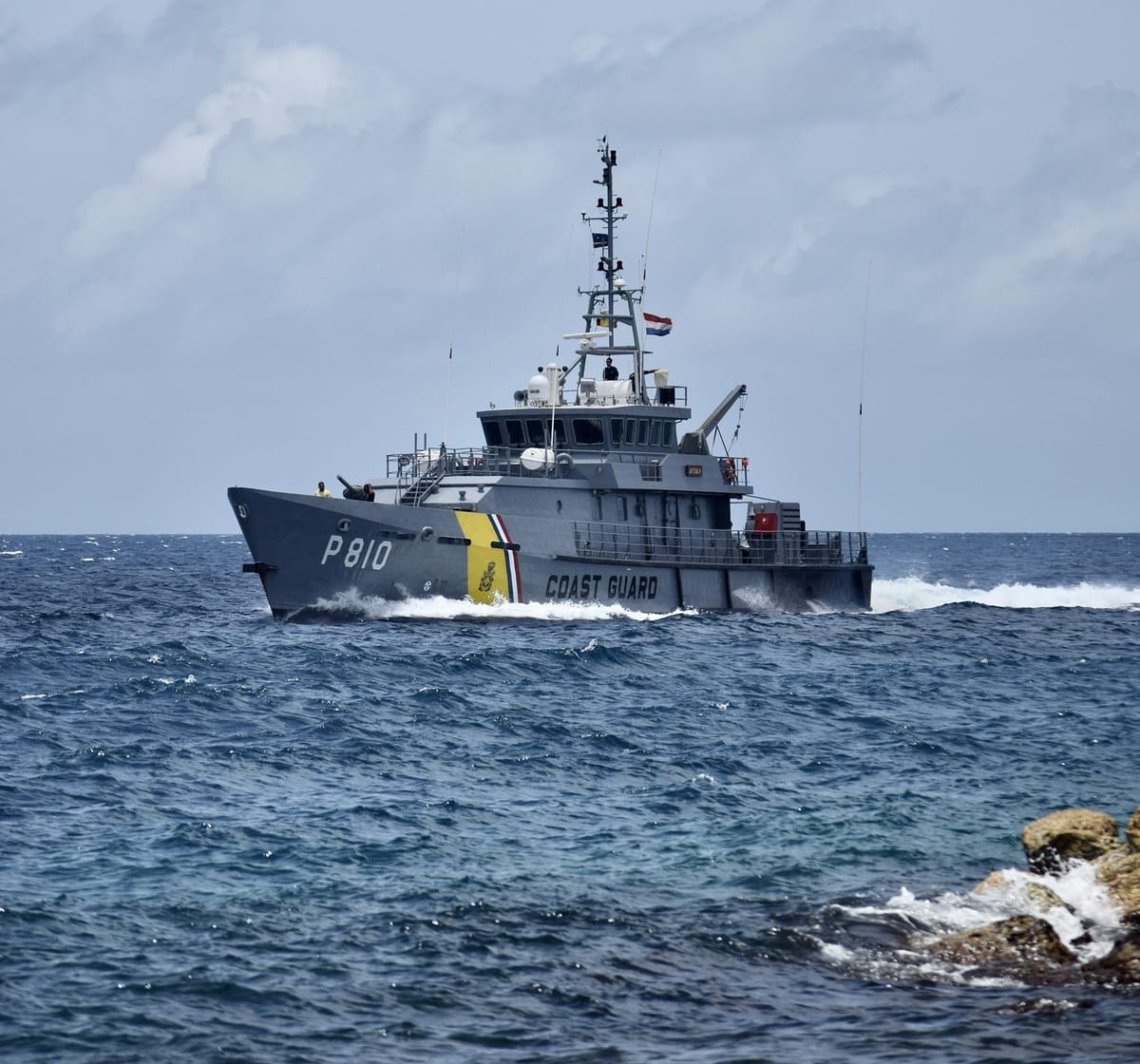
U.S. Coast Guard Cyber Operations: The Forgotten Maritime Cyber Force
Overview The U.S. Coast Guard, while often overlooked in military cyber discussions, operates one of the most unique and critical cyber missions in the federal government. As the only armed service under the Department of Homeland Security, the Coast Guard protects the $5.4 trillion Marine Transportation System (MTS)

Security Careers HelpSecurity Careers
](https://securitycareers.help/u-s-coast-guard-cyber-operations-the-forgotten-maritime-cyber-force/)
Marine Corps Cyber Auxiliary (Civilian Volunteer Program)
Overview
- Established: April 2019
- Type: Volunteer civilian organization
- Management: Deputy Commandant for Information
- Mission: Increase Marine Corps cyberspace readiness through civilian cyber expertise
Program Structure
- Membership: Civilian cybersecurity experts and military veterans (not current Marines)
- Role: Train, educate, advise, and mentor Marines in cyber operations
- Limitations: Assist only in simulated environments and training - NOT authorized for hands-on cyber activities or operational missions
Qualification Requirements
- Citizenship: U.S. citizens only
- Experience: Minimum 3 years in cyber industry or academia
- Professional Standing: Industry leaders or highly regarded in their field
- Employment: Not currently employed by U.S. Government
- Military Service: If prior service, must be honorably discharged
- Commitment: Enthusiastic volunteers willing to share expertise
Program Features
- No Military Standards: Members do not wear uniforms or meet Marine Corps grooming/physical fitness standards
- Flexible Participation: All-volunteer based on individual availability and willingness
- Travel Support: Marine Corps covers all travel costs for required activities
- Security Clearance: Not required, though appropriate-level interviews may be needed for specific projects
- Screening Process: Approximately 2-4 weeks assessment and screening period
Support Activities
- Training Support: Assist in cyber training exercises and simulations
- Educational Programs: Provide instruction during formal cyber education
- Mentorship: Advise Marines on evolving cyber challenges and industry best practices
- Technical Expertise: Share specialized knowledge in various cyber domains
Contact and Application
- Application Email: CyberAux@usmc.mil
- Response: Program has received overwhelming response with hundreds of applications
- Processing: Highly qualified individuals contacted for initial interviews
Command Relationships
Operational Control (OPCON)
- USCYBERCOM: Operational control of MARFORCYBER for cyber missions
- NSA/CSS: Operational control of MCSB for SIGINT missions
- Geographic Combatant Commands: Theater-specific cyber support [
U.S. Space Force Cyber Operations Structure & Capabilities
Overview The U.S. Space Force, established in December 2019, has developed unique cyber capabilities focused on protecting space assets and operations. Unlike other services, the Space Force is still developing its formal cyber component to U.S. Cyber Command and currently operates with a specialized approach to cyber operations

Security Careers HelpSecurity Careers

](https://securitycareers.help/u-s-space-force-cyber-operations-structure-capabilities/)
Administrative Control (ADCON)
- Headquarters Marine Corps: Personnel, training, equipment
- Marine Corps Information Command: Information operations coordination
- Marine Corps Intelligence: Intelligence support and MCSB administrative oversight
This structure represents the Marine Corps’ comprehensive approach to cyberspace operations, integrating traditional Marine Corps expeditionary capabilities with advanced cyber warfare, signals intelligence, and information operations capabilities, while leveraging civilian expertise through the innovative Cyber Auxiliary program to support both national and tactical missions across all domains of warfare.