Overview
The U.S. Space Force, established in December 2019, has developed unique cyber capabilities focused on protecting space assets and operations. Unlike other services, the Space Force is still developing its formal cyber component to U.S. Cyber Command and currently operates with a specialized approach to cyber operations centered around space mission protection. [
The Wartime Fighter Mindset in Cybersecurity: Lt. Gen. Paul Stanton’s Strategic Vision
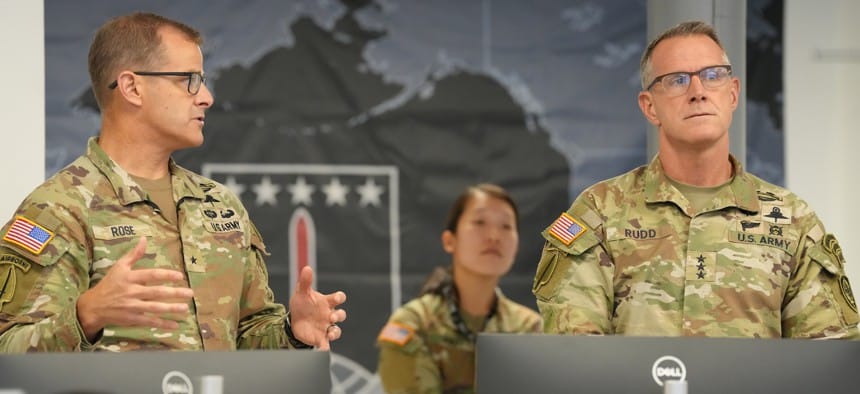
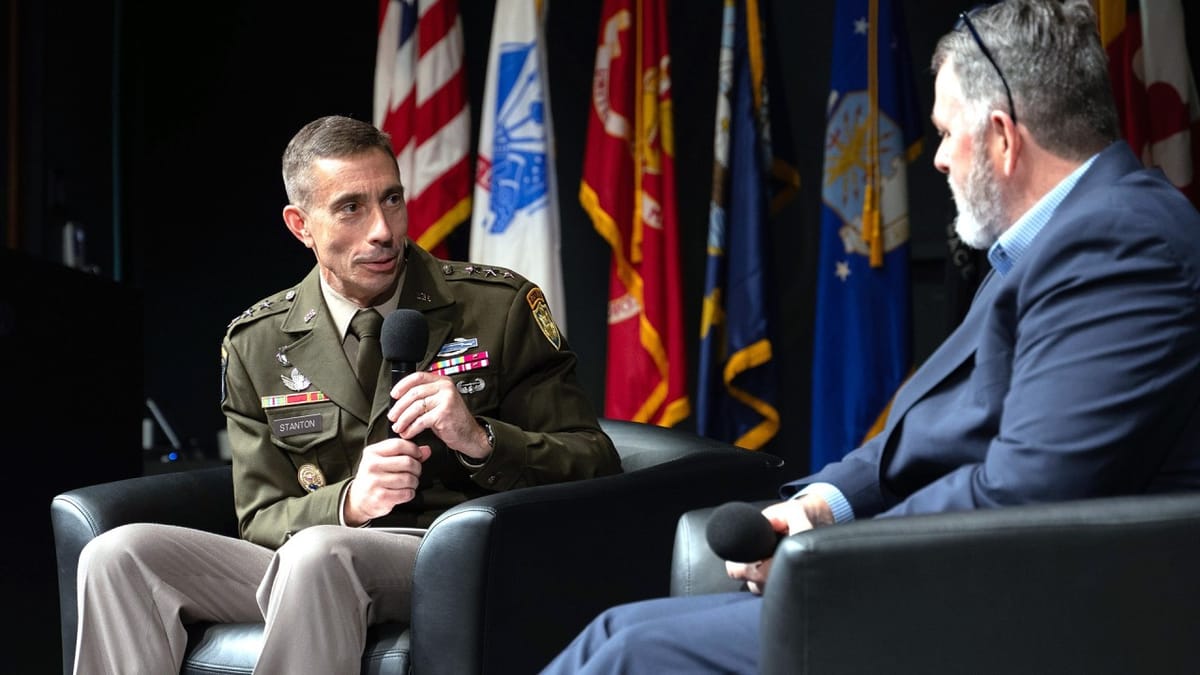
Lt. Gen. Paul T. Stanton, Director of the Defense Information Systems Agency (DISA) and Commander of the Department of Defense Cyber Defense Command, has articulated a transformative approach to cybersecurity that fundamentally reframes how organizations should think about digital defense. His concept of the “wartime fighter mindset” represents a strategic

Security Careers HelpSecurity Careers
Current Cyber Command Status
- Service Component to USCYBERCOM: Still in development (as of 2023-2024)
- Current Arrangement: Space Force coordinates through Air Force’s 16th Air Force for cyber mission force contributions
- Transition Planning: Moving toward establishing independent Space Force cyber component to USCYBERCOM
- Current CMF Contribution: Two Guardians from Space Operations Command serve as members of Air Force’s cyber mission force [
U.S. Marine Corps Cyber Operations Structure & Unit Mapping
Overview The Marine Corps cyber ecosystem operates through several interconnected commands and specialized units, providing comprehensive cyberspace capabilities from defensive operations to offensive cyber warfare, signals intelligence, and information operations. U.S. Army Cyber Divisions and Psychological Operations Units: A Comprehensive OverviewIntroduction As cyberspace has emerged as the fifth warfighting

Security Careers HelpSecurity Careers
](https://securitycareers.help/u-s-marine-corps-cyber-operations-structure-unit-mapping/)
Primary Cyber Organization: Space Delta 6 (“Cyber Delta”)
Space Delta 6 - Cyberspace Warfare
- Headquarters: Schriever Space Force Base, Colorado
- Established: July 24, 2020
- Mission: Assure access to space through the $6.8 billion Satellite Control Network and provide defensive cyberspace capabilities for space mission systems
- Nickname: “Cyber Delta”
- Personnel: Guardians specializing in cyberspace operations and satellite control
Space Delta 6 Subordinate Units (Cyber Squadrons)
- 21st Space Operations Squadron - Satellite operations and control
- 22nd Space Operations Squadron - Satellite operations and control
- 23rd Space Operations Squadron - Satellite operations and control
- 61st Cyberspace Squadron (mentioned in sources)
- 62nd Cyberspace Squadron - Defensive cyberspace operations
- 64th Cyberspace Squadron - Defensive cyberspace operations
- 65th Cyberspace Squadron - Defensive cyberspace operations (redesignated from 614th Air and Space Communications Squadron in June 2021)
- 68th Cyberspace Squadron - Defensive cyberspace operations
- 69th Cyberspace Squadron - Defensive cyberspace operations
Geographic Distribution
- Primary Locations: Schriever Space Force Base, Colorado
- Detachments: Andersen Air Force Base (Guam), Kaena Point Satellite Tracking Station (Hawaii)
- Global Operations: Supporting satellite control network operations worldwide [
Building Cyber Warriors: The Imperative of the Evolving Cyber Professional
In today’s digital world, where technology plays a central role in our personal and professional lives, cybersecurity has become critically important. It refers to the practice of protecting computer systems, networks, and data from unauthorized access, damage, theft, and other cyber threats. Investing in robust cybersecurity measures allows individuals, organizations,

Security Careers HelpSecurity Careers

Space Force Cyber Mission Areas
Defensive Cyber Operations (DCO)
- Mission Defense Teams (MDTs): Dedicated teams for protecting space mission systems
- Cyber Security Service Providers (CSSPs): Organic defensive cyberspace operations capability
- Network Defense: Protection of space mission networks and satellite control systems
- Integration with JFHQ-DODIN: Collaboration with Joint Force Headquarters–Department of Defense Information Network
Space-Specific Cyber Capabilities
- Satellite Control Network Protection: Cyber defense of the $6.8 billion satellite control infrastructure
- Ground-Link-Space Segment Security: Comprehensive cyber protection across all space system components
- Satellite Communications Cyber Operations: Specialized cyber capabilities for SATCOM systems
- Space Domain Awareness Cyber Support: Cyber operations supporting space surveillance and tracking [
U.S. Air Force Cyber Divisions and Psychological Operations Units: A Comprehensive Overview
Introduction The United States Air Force has developed a sophisticated cyber and information warfare capability that spans across all three components: Active Duty, Air National Guard, and Air Force Reserve. As cyberspace emerged as a critical warfighting domain, the Air Force established specialized units to conduct operations ranging from offensive

Security Careers HelpSecurity Careers
Mission Integration
- Space Operations Integration: Cyber capabilities embedded within space operations squadrons
- Electromagnetic Warfare: Cyber operations integrated with spectrum warfare capabilities
- Intelligence Support: Cyber operations supporting space-based ISR missions
Cyber Guardian Career Development
Occupational Specialties
-
17S - Cyberspace Effects Operations Officers: Responsible for operating cyberspace weapons systems and satellite communications
-
Enlisted Cyber Operations Specialties:
- Cyber Defense
- Radio Frequency and Satellite Communications
- Cyber Systems Operations
- Cyber Networks Operations
Training and Education
- Initial Skills Courses: Specialized cyber training for space missions
- Competency-Based Development: Progression based on demonstrated competency rather than time-in-service
- Proficiency Levels: Basic, Senior, and Master cyber operator designations
- Community College of the Air Force: Credits toward Electronic Systems Technology or Information Systems Technology degrees
Security Requirements
- Security Clearance: Single Scope Background Investigation (SSBI) required for most positions
- U.S. Citizenship: Required for all cyber positions
- ASVAB Requirements: General minimum score of 60-64 based on specialty [
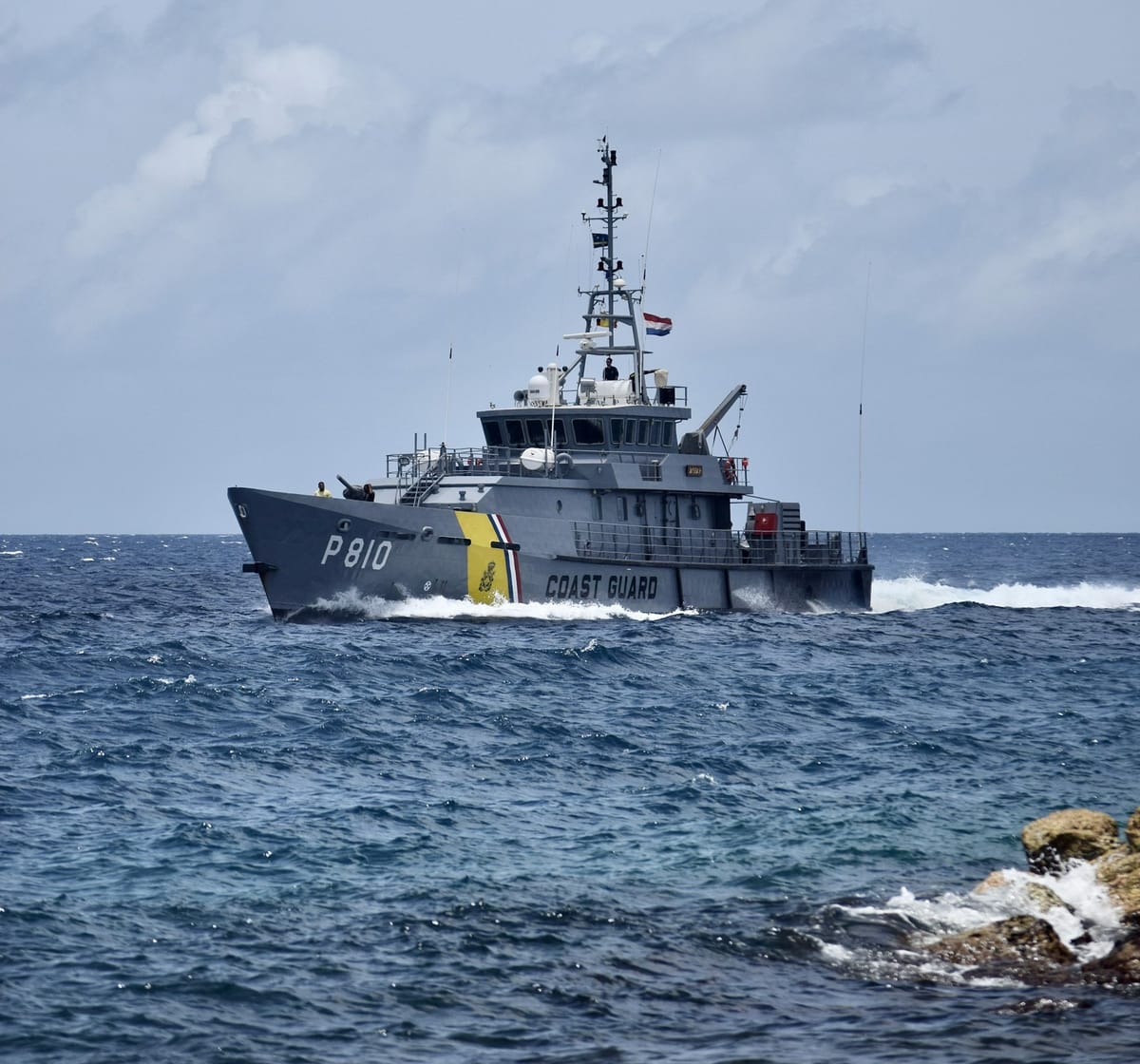
U.S. Coast Guard Cyber Operations: The Forgotten Maritime Cyber Force
Overview The U.S. Coast Guard, while often overlooked in military cyber discussions, operates one of the most unique and critical cyber missions in the federal government. As the only armed service under the Department of Homeland Security, the Coast Guard protects the $5.4 trillion Marine Transportation System (MTS)

Security Careers HelpSecurity Careers
](https://securitycareers.help/u-s-coast-guard-cyber-operations-the-forgotten-maritime-cyber-force/)
Current Cyber Force Transformation
Strategic Priorities
- Develop Cyber Guardians: Focus on warfare-oriented cyber operators
- Organize Combat Ready Forces: Building mission defense teams and cyber squadrons
- Deliver Cyber-Resilient Space Capabilities: Integration of cyber protection into space systems
Operational Changes
- Divesting IT Functions: Moving base-level network operations to 16th Air Force
- Mission-Focused Cyber: Transitioning all cyber Guardians to space mission-specific cyber operations
- Combat Mission Teams: Developing Space Force-specific cyber mission force teams for future USCYBERCOM component
Industry Partnerships
- Commercialization of IT Services: Outsourcing routine IT functions to focus on cyber warfare
- Network Services: Private sector partnerships for basic network operations
- Technology Innovation: Collaboration with industry for advanced cyber capabilities [
U.S. Army Cyber Divisions and Psychological Operations Units: A Comprehensive Overview
Introduction As cyberspace has emerged as the fifth warfighting domain alongside land, sea, air, and space, the U.S. Army has developed a sophisticated organizational structure to conduct operations in this critical realm. From offensive cyber operations to defensive network protection, and from psychological operations to information warfare, the Army

Security Careers HelpSecurity Careers
Future Developments
Service Component to USCYBERCOM
- Timeline: Expected establishment within next few years
- Capability: Space Force cyber mission force teams to directly support U.S. Space Command
- Mission: “Go after enemy’s key cyber terrain in space” using Guardian expertise
- Resources: Requires significant manpower increase for Space Force
Organizational Growth
- Cyber Squadron Expansion: Additional cyber squadrons planned across Space Force
- Mission Defense Teams: Expansion of dedicated cyber protection capabilities
- Integration Across Deltas: Cyber capabilities embedded in other Space Force mission deltas
Unique Space Force Cyber Characteristics
Space-Centric Approach
- “Soft Underbelly” Recognition: Cyber identified as primary vulnerability of space operations
- Mission-Specific Cyber: Cyber operations tailored to unique space mission requirements
- Cross-Domain Integration: Cyber operations integrated with space, electromagnetic spectrum, and intelligence domains
Lean Organization Structure
- Efficient Design: Minimal bureaucracy with focus on mission effectiveness
- Department of Air Force Support: Leverages Air Force infrastructure for administrative functions
- Specialized Units: Delta structure optimized for specific mission areas including cyber
This represents the Space Force’s evolving approach to cyber operations, emphasizing space mission protection while developing capabilities to eventually provide a dedicated service component to U.S. Cyber Command, with unique Guardian expertise in space-related cyber warfare.