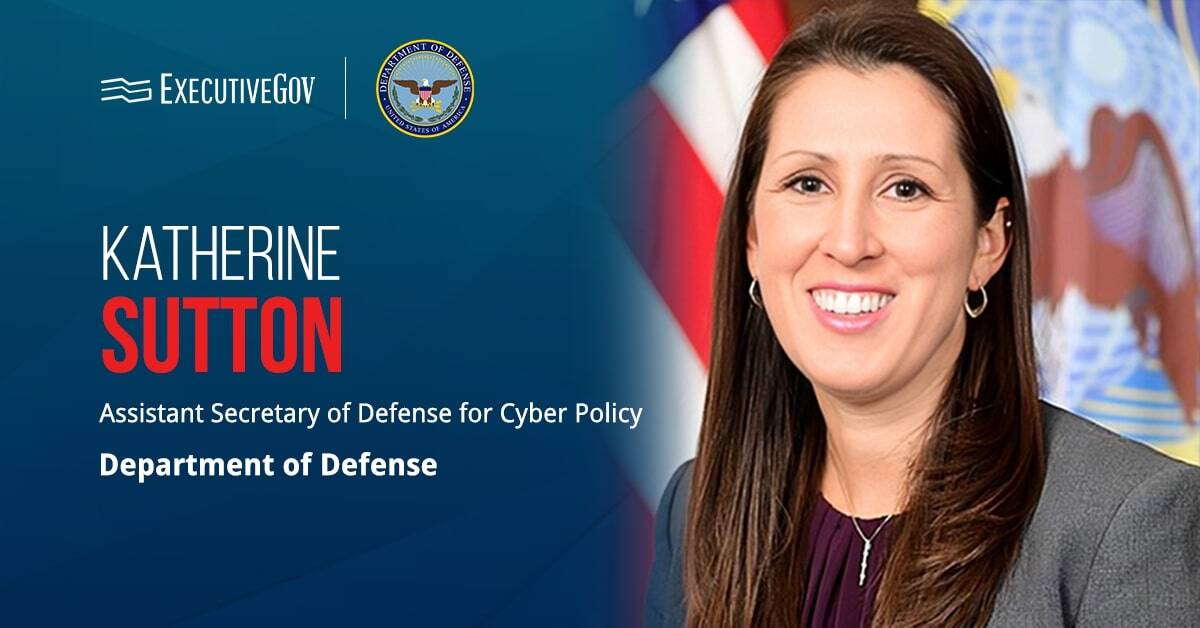
The U.S. Senate confirmed Katherine Sutton as the Pentagon’s new cyber policy chief on Thursday, filling a critical leadership vacuum after months of departures and upheaval in the Defense Department’s cyber ranks. Sutton becomes only the second individual to serve as the Pentagon’s assistant secretary of defense for cyber policy, an office that was established last year after congressional frustration that DOD lacked an accountable civilian leader for its digital plans and activities.
The confirmation came as part of a sweeping 51-47 vote that approved 48 Trump administration nominees simultaneously, marking the first major test of controversial new Senate rules designed to accelerate the confirmation process.
Breaking Through Senate Gridlock
The vote came after Republican senators deployed the “nuclear option” to alter the chamber’s rules in order to confirm President Donald Trump’s picks faster. This procedural maneuver, implemented just days earlier, allows the Senate to confirm multiple executive branch nominees in bulk rather than individually—a significant departure from traditional practices.
The rules change allows nominees to be considered en bloc, or as a group, as tensions have grown over several months between the two parties over the backlog of Trump’s nominees awaiting Senate confirmation. Republicans justified the move by pointing to what they characterized as unprecedented Democratic obstruction, while Democrats warned it would create a “conveyor belt for unqualified Trump nominees.”
Sutton’s Credentials and Vision
Sutton brings extensive experience to the role, having served most recently as chief technology adviser to the commander and director of Pentagon operations at U.S. Cyber Command. Her background spans both technical expertise and policy development, with over 20 years of experience in cyber policy, technology development and legislative oversight.
Before joining U.S. Cyber Command, she previously held a number of roles for the Senate Armed Services Committee, including as the GOP staff leader for the cybersecurity subcommittee under Sen. Mike Rounds (R-SD). She also spent 15 years at Sandia National Laboratories in various research and development roles.
During her confirmation hearing in May, Sutton articulated an aggressive stance on cyber operations. “While we need strong defenses, we are not going to deter the adversary with defenses only,” she told senators. “If confirmed, I will work to strengthen our offensive cyber capabilities to ensure the President has the options he needs to respond to this growing threat.”
The China Challenge
Sutton’s appointment comes at a time of escalating cyber threats, particularly from China. “As I have watched the domain evolve over the last decade, it is very clear that our adversaries are becoming not only increasingly capable, but also increasingly aggressive in the domain,” she said.
Her confirmation follows recent revelations about Chinese cyber operations, including the Salt Typhoon campaign that has penetrated critical U.S. infrastructure. Sutton has indicated she will prioritize modernizing Pentagon cyber capabilities to counter these sophisticated threats.
Leadership Upheaval and Restoration
Sutton inherits an organization that has seen its senior leaders depart in recent weeks. The cyber policy office has experienced significant turnover, creating a leadership void during a critical period for U.S. cyber operations.
Laurie Buckhout, who has been performing the assistant secretary duties in an acting capacity, left the office earlier this month to pursue another role in the administration. Additionally, Ashley Manning, who was the policy shop’s principal deputy and filled the interim chief role when it initially opened and after the change in administration, has been sent on a rotational assignment to the RAND Corporation.
The departures reflect broader upheaval across the Defense Department’s cyber enterprise. Most notably, Timothy Haugh, who led both U.S. Cyber Command and the National Security Agency, was fired by the Trump administration in April amid what critics described as a purge of national security officials.
Concerns Over Haugh Connection
There had been concerns that Sutton’s nomination would be scrapped because of her ties to former Cyber Command and NSA chief Timothy Haugh, who the president dismissed in April. Haugh’s firing came without public explanation and was criticized by lawmakers from both parties as potentially damaging to national security during a period of heightened cyber threats.
The dismissal of Haugh, along with his deputy Wendy Noble, followed what reports described as pressure from far-right activist Laura Loomer, who questioned their loyalty to Trump. Democrats condemned the firings, with Sen. Mark Warner calling it “astonishing” that Trump would “fire the nonpartisan, experienced leader of the NSA while still failing to hold any member of his team accountable for leaking classified information on a commercial messaging app.”
The Office’s Evolution
The assistant secretary for cyber policy position was created through the fiscal 2023 defense authorization bill, reflecting Congress’s growing recognition of cyberspace as a critical domain of warfare. The Trump administration recently rebranded it as assistant secretary of war for cyber policy.
The office plays a central role in integrating national cyber policy with Pentagon operations, providing guidance on international cyber cooperation, and overseeing the implementation of Defense Department cyber strategies. As the statutory Principal Cyber Advisor to the Secretary of Defense, the position carries significant responsibility for shaping America’s digital defense posture.
Looking Ahead
Sutton’s confirmation provides much-needed stability to the Pentagon’s cyber policy apparatus at a time when digital threats are evolving rapidly. Her background in both technical development and policy implementation positions her to bridge the gap between operational cyber capabilities and strategic planning.
She faces immediate challenges including rebuilding the office’s leadership team, implementing the Pentagon’s cyber strategy, and ensuring the U.S. military maintains its edge in an increasingly contested digital domain. The Government Accountability Office released a new report recommending that the ASD for cyber policy assess the extent to which military cyber training courses and DOD cybersecurity service providers could be consolidated to achieve efficiencies and cost savings.
The Broader Context
Sutton’s confirmation occurs against the backdrop of significant changes to how the Senate handles presidential nominations. The Republican decision to invoke the nuclear option reflects broader frustrations with what they view as systematic Democratic obstruction of Trump’s nominees, while Democrats argue the changes will reduce scrutiny of potentially unqualified candidates.
Republicans’ rule change applies only to executive branch civilian nominees, not Cabinet members nor the judiciary. This distinction means that while lower-level positions can now be confirmed in batches, senior appointments and judicial nominees will continue to face individual votes.
The Senate’s action on Sutton and the other 47 nominees represents a significant shift in confirmation politics that will likely have lasting implications for how future administrations staff the federal government. For now, it has provided Sutton with the Senate approval needed to begin the challenging work of leading Pentagon cyber policy during one of the most complex periods in the history of digital warfare.
As she assumes her role, Sutton will need to quickly establish her leadership team, navigate ongoing tensions with Congress over cyber priorities, and work to restore stability to an office that has experienced significant turbulence. Her success will be measured not only by her ability to manage internal Pentagon dynamics but also by how effectively she helps position American cyber forces to counter increasingly sophisticated adversaries in the digital domain.