🎧 Related Podcast Episode
Executive Summary
In today’s hyperconnected business landscape, cybersecurity has evolved from a technical concern to a critical business imperative. As cyber threats grow increasingly sophisticated—with 68% of CISOs now feeling at high risk of a significant cyberattack—the ability to measure, communicate, and improve security performance has never been more crucial. This comprehensive guide explores the essential metrics that modern CISOs must track to demonstrate value, justify investments, and continuously strengthen their organization’s security posture. [
CISO Budget Builder
Build a defensible security budget tied to risk reduction

CISO Budget BuilderCISO Budget Builder Team

](https://cisobudgetbuilder.com/)
The Strategic Imperative of Cybersecurity Metrics
The modern CISO faces a unique challenge: translating technical security achievements into business language that resonates with boards and executive teams. With 82% of CISOs responsible for business-level metrics like ROI, the pressure to quantify security’s value has intensified. Yet despite this critical need, only 22% of CEOs feel confident that their risk exposure data is comprehensive enough for sound decision-making—a statistic that hasn’t improved in a decade.
This disconnect underscores a fundamental truth: without the right metrics, security teams operate in the dark, unable to prove their worth or identify critical gaps. The consequence? Inadequate funding, misaligned priorities, and ultimately, increased vulnerability to attacks that now cost organizations an average of $4.88 million per breach in 2024, representing a 39% increase since 2020. [
Cybersecurity Budgeting for Executives: Navigating the Financial Landscape of Digital Defense
In today’s digital age, cybersecurity is not just an IT concern—it’s a business imperative. As cyber threats escalate in complexity and frequency, the financial commitment to counteract them must be strategic. For executives, this means effective budgeting that ensures both robust defense and a return on investment. This article

Security Careers HelpSecurity Careers

Core Operational Metrics: The Foundation of Security Performance
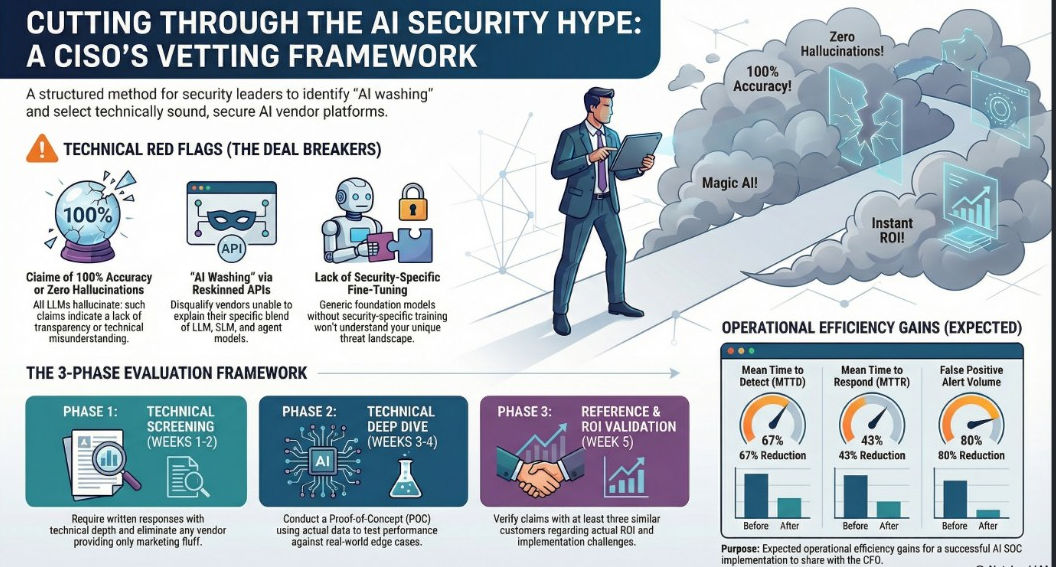
1. Mean Time to Detect (MTTD)
Definition: Average time to identify a security incident from its initial occurrence.
Why It Matters: Speed is everything in cybersecurity. The median encryption time for ransomware is under 6 minutes, making rapid detection critical for minimizing damage. A lower MTTD indicates superior monitoring capabilities and reduces the attacker’s window for lateral movement and data exfiltration.
How to Calculate: Sum of detection times for all incidents ÷ Total number of incidents
Industry Benchmark: Leading organizations aim for MTTD under 24 hours, though this varies significantly by industry and threat type.
2. Mean Time to Respond (MTTR)
Definition: Average time to contain and begin remediation after detection.
Why It Matters: MTTR directly correlates with breach impact. Companies that use AI-driven security automation save an average of $2.2 million per breach primarily through faster response times.
How to Calculate: Sum of response times ÷ Total number of incidents
Target: Organizations should aim for response initiation within 1-2 hours of detection for critical incidents.
3. Mean Time to Contain (MTTC)
Definition: Average time to fully isolate and neutralize a threat across all affected systems.
Why It Matters: Containment speed determines whether an incident becomes a minor disruption or a major breach. Quick containment prevents attackers from establishing persistence or exfiltrating sensitive data.
How to Calculate: (Time of full containment - Time of detection) averaged across all incidents
Best Practice: Implement automated containment playbooks for common threat scenarios to minimize MTTC. [
20 Key Performance Indicators (KPIs) For CISOs (Chief Information Security Officers)
Below is a comprehensive, in-depth article on 20 Key Performance Indicators (KPIs) that CISOs (Chief Information Security Officers) often track. These metrics provide insight into an organization’s security posture, help prioritize resources, and measure the effectiveness of cybersecurity strategies. You can adapt this content for your CISO-centric website or

Security Careers HelpSecurity Careers

4. Incident Volume and Trends
Definition: Total number of security incidents over time, categorized by severity and type.
Why It Matters: Tracks workload, identifies threat patterns, and reveals whether security investments are reducing incident frequency.
How to Calculate: Count incidents by week/month/quarter, segment by severity (Critical/High/Medium/Low)
Key Insight: Rising incident volumes may indicate either improved detection capabilities or increased threat activity—context is crucial for interpretation.
Human Factor Metrics: Addressing the Weakest Link
5. Phishing Click Rate
Definition: Percentage of employees who click on simulated phishing emails.
Why It Matters: Human error remains the primary attack vector. Phishing attacks cost businesses an average of $4.88 million per breach, taking 261 days to fully resolve.
How to Calculate: (Number of clicks ÷ Number of recipients) × 100
Target: Industry leaders achieve click rates below 5%, with continuous improvement through targeted training.
6. Security Awareness Training Completion
Definition: Percentage of staff completing mandatory security training.
Why It Matters: Training is the first line of defense, creating a security-conscious culture that acts as a human firewall.
How to Calculate: (Employees trained ÷ Total employees) × 100
Best Practice: Implement role-specific training with quarterly refreshers and gamification to boost engagement.
7. Privileged Account Review Rate
Definition: Percentage of high-privilege accounts audited for necessity and proper use.
Why It Matters: Compromised privileged accounts represent the highest risk, offering attackers broad access to critical systems.
How to Calculate: (Accounts reviewed ÷ Total privileged accounts) × 100
Target: 100% quarterly review, with continuous monitoring for anomalous activity.
Vulnerability Management Metrics: Proactive Defense
8. Patch Compliance Rate
Definition: Percentage of systems with critical patches applied within defined timeframes.
Why It Matters: Delayed patching leads to a 50% higher breach cost. Unpatched systems remain prime attack vectors.
How to Calculate: (Patched systems ÷ Total systems) × 100
SLA Targets:
- Critical patches: 24-48 hours
- High severity: 7 days
- Medium severity: 30 days
9. Vulnerability Remediation Time
Definition: Average time to fix discovered vulnerabilities after identification.
Why It Matters: The average time to remediate critical vulnerabilities is 205 days, leaving organizations exposed for extended periods.
How to Calculate: Sum of days from discovery to remediation ÷ Number of vulnerabilities closed
Improvement Strategy: Implement automated patching for standard systems and prioritize based on exploitability and asset criticality.
10. Critical Vulnerabilities Open Past SLA
Definition: Percentage of high-risk vulnerabilities exceeding remediation deadlines.
Why It Matters: Reveals gaps in risk reduction processes and potential compliance violations.
How to Calculate: (Overdue critical vulnerabilities ÷ Total critical vulnerabilities) × 100
Target: Less than 5% of critical vulnerabilities should exceed SLA.
Advanced Security Metrics: Comprehensive Protection
11. Endpoint Detection Coverage
Definition: Percentage of endpoints with EDR/AV properly deployed and functioning.
Why It Matters: Gaps in endpoint protection create blind spots that attackers exploit.
How to Calculate: (Protected endpoints ÷ Total endpoints) × 100
Target: 100% coverage with real-time monitoring and automated response capabilities.
12. Multi-Factor Authentication (MFA) Coverage
Definition: Percentage of users and applications protected by MFA.
Why It Matters: MFA remains one of the simplest yet most effective controls, blocking 99.9% of automated attacks.
How to Calculate: (Accounts with MFA ÷ Total accounts) × 100
Priority Areas: All privileged accounts, remote access, and sensitive applications should have 100% MFA coverage.
13. Backup Success and Test Rate
Definition: Percentage of backups completing successfully and passing restoration tests.
Why It Matters: Recovery capability determines whether ransomware becomes a minor incident or a business-ending catastrophe.
How to Calculate: (Successful tested backups ÷ Total backups) × 100
Best Practice: Test restore procedures monthly, with full disaster recovery exercises quarterly.
Third-Party Risk Metrics: Supply Chain Security
14. Third-Party Risk Assessment Coverage
Definition: Percentage of vendors assessed for security risk.
Why It Matters: A significant number of companies experience breaches via third-party relationships, making vendor risk management critical.
How to Calculate: (Vendors assessed ÷ Total vendors) × 100
Risk Tiers:
- Critical vendors: Continuous monitoring
- High-risk vendors: Annual assessments
- Standard vendors: Biennial reviews
15. Fourth-Party Visibility
Definition: Level of insight into your vendors’ subcontractors and their security posture.
Why It Matters: Supply chain attacks often exploit fourth-party weaknesses to reach ultimate targets.
Measurement Approach: Percentage of critical vendors providing fourth-party risk assessments.
Intelligence and Analysis Metrics
16. Incidents Escalated to External Notification
Definition: Percentage of incidents requiring disclosure to regulators, customers, or law enforcement.
Why It Matters: Indicates severity of breaches and potential regulatory/reputational impact.
How to Calculate: (Incidents disclosed ÷ Total incidents) × 100
Target: Less than 1% of incidents should require external notification.
17. Dwell Time
Definition: Average time attackers remain undetected in the environment.
Why It Matters: Shorter dwell time limits damage and data exfiltration opportunities.
How to Calculate: Date of detection minus date of initial compromise (when determinable)
Industry Average: Global median dwell time is approximately 16 days, with advanced persistent threats often dwelling for months.
18. False Positive Rate
Definition: Percentage of alerts determined to be benign after investigation.
Why It Matters: High false positive rates can overwhelm SOC analysts, leading to alert fatigue and potentially causing real threats to be overlooked.
How to Calculate: (False alerts ÷ Total alerts) × 100
Target: Maintain false positive rates below 20% through continuous tuning.
19. Incidents with Root Cause Identified
Definition: Percentage of incidents where root cause analysis is completed.
Why It Matters: Understanding root causes prevents recurrence and strengthens overall security posture.
How to Calculate: (Incidents with RCA ÷ Total incidents) × 100
Target: 100% for all high and critical severity incidents.
Compliance and Governance Metrics
20. Compliance Alignment Score
Definition: Percentage of controls meeting requirements across applicable frameworks (NIST, ISO, PCI, etc.).
Why It Matters: Organizations avoiding compliance fines save an average of $1M per breach.
How to Calculate: (Compliant controls ÷ Total required controls) × 100
Reporting Frequency: Quarterly to board, with continuous monitoring for critical controls.
21. Policy Exception Rate
Definition: Number of approved deviations from security policies.
Why It Matters: High exception rates indicate policies may be unrealistic or poorly communicated.
Tracking Method: Monitor exceptions by policy area, duration, and business justification.
22. Security Control Effectiveness
Definition: Percentage of security controls operating as designed and achieving intended outcomes.
Why It Matters: Identifies controls that appear functional but fail to provide actual protection.
Assessment Method: Regular control testing through red team exercises, penetration testing, and control audits.
Financial and Business Impact Metrics
23. Return on Security Investment (ROSI)
Definition: Financial return generated through risk reduction and incident prevention.
Why It Matters: Demonstrates security’s value in business terms that executives understand.
Formula: (Risk reduction + Cost savings - Security investment) ÷ Security investment × 100
Example: If a firewall system costing $50,000 annually prevents an estimated $200,000 in breach-related losses, the ROSI would be 3, indicating a $3 return for every dollar invested.
24. Cost Per Incident
Definition: Average total cost to detect, respond to, and recover from security incidents.
Components:
- Direct costs: Staff time, consultant fees, technology
- Indirect costs: Downtime, productivity loss, reputation damage
- Recovery costs: System restoration, legal fees, customer notification
Calculation Method: Total incident-related costs ÷ Number of incidents
25. Security Budget as Percentage of IT Budget
Definition: Proportion of IT spending allocated to security.
Industry Benchmark: Organizations typically allocate 10-15% of IT budget to security, though this varies by industry and risk profile.
Trend Analysis: Track year-over-year changes to ensure security investment keeps pace with growing threats.
26. Avoided Loss Metric
Definition: Estimated financial losses prevented through security controls and incident response.
Calculation Approach:
- Blocked attacks × Average breach cost for similar incidents
- Reduced downtime × Hourly business revenue
- Compliance fines avoided through proper controls
Communication Tip: Use industry breach statistics and peer comparisons to validate estimates.
SOC Performance Metrics
27. Alert-to-Incident Ratio
Definition: Percentage of security alerts that become confirmed incidents.
Why It Matters: Measures detection accuracy and helps optimize alert tuning.
How to Calculate: (Confirmed incidents ÷ Total alerts) × 100
Optimization Goal: Balance between catching real threats and minimizing noise.
28. Analyst Productivity
Definition: Number of alerts investigated and incidents handled per analyst.
Key Measurements:
- Alerts triaged per day
- Incidents investigated per week
- Average investigation time
Improvement Strategies: Automation, playbook optimization, and skills development.
29. Security Tool Utilization
Definition: Percentage of security tool capabilities actually being used.
Why It Matters: Many organizations use less than 50% of their security tools’ features, missing valuable protection.
Assessment Method: Regular capability reviews and feature adoption tracking.
30. Incident Closure Rate
Definition: Percentage of opened incidents successfully resolved within SLA.
Target Ranges:
- Critical: 95% within 4 hours
- High: 90% within 24 hours
- Medium: 85% within 72 hours
Emerging Metrics for Modern Threats
31. Cloud Security Posture Score
Definition: Composite measure of cloud configuration, access controls, and compliance.
Components:
- Misconfiguration detection rate
- Cloud asset inventory accuracy
- Identity and access management maturity
32. Zero Trust Maturity Level
Definition: Progress toward implementing zero trust architecture principles.
Key Indicators:
- Percentage of resources behind identity-aware proxies
- Microsegmentation coverage
- Continuous verification implementation
33. API Security Coverage
Definition: Percentage of APIs with appropriate security controls and monitoring.
Why It Matters: APIs represent an expanding attack surface often overlooked in traditional security programs.
34. DevSecOps Integration Score
Definition: Level of security integration within development pipelines.
Measurements:
- Percentage of code scanned before production
- Average time to fix security vulnerabilities in code
- Security testing automation coverage
35. Supply Chain Security Score
Definition: Comprehensive assessment of software supply chain risks.
Components:
- Software bill of materials (SBOM) coverage
- Dependency vulnerability tracking
- Third-party code review percentage
Best Practices for Metric Implementation
1. Establish Clear Baselines
Before implementing any metrics program, establish current performance baselines. This provides context for improvement and helps set realistic targets. Document baseline collection methods to ensure consistency over time.
2. Align Metrics with Business Objectives
Cybersecurity metrics should reflect the organization’s broader goals, such as fostering user trust, ensuring regulatory compliance, or minimizing financial losses from breaches. Each metric should clearly connect to business outcomes.
3. Automate Data Collection
Manual metric collection is error-prone and unsustainable. Implement automated dashboards and reporting tools that provide real-time visibility into security performance. This ensures accuracy while freeing analysts to focus on threat response rather than report generation.
4. Create Tiered Reporting
Different stakeholders need different levels of detail:
- Board Level: High-level risk scores, trend analysis, and business impact metrics
- Executive Level: Operational metrics, compliance status, and resource utilization
- Operational Level: Detailed technical metrics, alert volumes, and response times
5. Focus on Actionable Metrics
A meaningful metric has an important purpose. A meaningless metric just looks good. Every metric should drive specific actions or decisions. If you can’t articulate what you’ll do differently based on a metric’s value, reconsider tracking it.
6. Regular Review and Refinement
Threat landscapes and business priorities evolve. Assessment cadences can vary significantly from KPI to KPI. Schedule quarterly reviews to evaluate metric relevance and adjust targets based on emerging threats and organizational changes.
7. Benchmark Against Peers
Understanding how your metrics compare to industry peers provides crucial context. Join information sharing groups and leverage industry reports to understand whether your performance is leading, lagging, or on par with similar organizations.
8. Avoid Metric Manipulation
Be wary of metrics that can be gamed. For instance, high incident closure rates might reflect hasty closures rather than thorough investigation. Implement quality checks and secondary metrics to validate primary indicators.
Communicating Metrics to Leadership
Visual Storytelling
Transform raw data into compelling narratives. Heat map visualizations are highly effective communication tools for Board meetings, allowing CISOs to distill numerous cybersecurity KPIs into easily digestible risk snapshots.
Business Language Translation
Avoid technical jargon when presenting to non-technical stakeholders. Instead of discussing “MTTD improvement,” explain how “faster threat detection reduces potential financial losses by $X per incident.”
Trend Analysis Over Point-in-Time Data
Boards care more about direction than absolute values. Show whether security is improving or deteriorating, and connect changes to specific investments or initiatives.
Risk-Based Prioritization
Frame metrics in terms of risk reduction. For example, “Implementing MFA reduced our account compromise risk by 75%, preventing an estimated $2M in potential losses.”
Success Stories and Near-Misses
Complement metrics with real examples. Describe actual incidents prevented, attacks thwarted, and disasters averted. These stories make abstract metrics tangible and memorable.
Common Pitfalls to Avoid
1. Metric Overload
Tracking too many metrics dilutes focus and overwhelms stakeholders. The most effective CISOs are able to separate signal from noise by zeroing in on the right key performance indicators and monitoring them obsessively.
2. Focusing on Activity Over Outcomes
Counting security activities (patches applied, scans run) without measuring their effectiveness misses the point. Focus on outcomes (vulnerabilities reduced, incidents prevented).
3. Ignoring Context
Raw numbers without context are meaningless. A 10% increase in incidents might indicate better detection rather than worse security. Always provide comparative context and explain anomalies.
4. Static Targets
Threat landscapes evolve rapidly. Metrics and targets that made sense last year may be irrelevant today. Build flexibility into your metrics program to adapt to emerging threats.
5. Siloed Metrics
Security metrics shouldn’t exist in isolation. Connect them to broader IT and business metrics to demonstrate security’s role in enabling business objectives.
The Future of Security Metrics
AI-Driven Analytics
Machine learning is revolutionizing metric collection and analysis, enabling predictive metrics that forecast future risk based on current trends. Organizations using AI-enhanced security operations see significant improvements in threat detection and response times.
Real-Time Risk Scoring
Moving beyond periodic assessments, continuous risk scoring provides moment-to-moment visibility into security posture. This enables dynamic resource allocation and proactive threat hunting based on current risk levels.
Behavioral Analytics
Traditional metrics focus on technical indicators. Next-generation metrics incorporate user and entity behavior analytics (UEBA) to identify anomalies that signature-based detection might miss.
Automated Remediation Metrics
As security orchestration matures, metrics will increasingly focus on automated response effectiveness—measuring not just detection speed, but the percentage of threats neutralized without human intervention.
Conclusion: Metrics as Strategic Enablers
In an era where only 15% of organizations are confident their InfoSec reporting fully meets expectations, effective metrics have become a critical differentiator. The metrics outlined in this guide provide a comprehensive framework for measuring, managing, and communicating cybersecurity performance.
The key to success lies not in tracking every possible metric, but in selecting those that align with your organization’s risk profile, maturity level, and business objectives. Start with core operational metrics, expand based on demonstrated value, and continuously refine based on lessons learned.
Remember that metrics are means, not ends. They should drive action, enable better decisions, and ultimately strengthen your organization’s resilience against evolving cyber threats. In a landscape where the average breach costs nearly $5 million and threats evolve daily, the organizations that master security metrics will be those that thrive in our digital future.
By implementing a robust metrics program that combines operational excellence, human factors, technical controls, and business alignment, CISOs can transform security from a cost center into a strategic enabler—protecting not just systems and data, but the very future of the business itself.