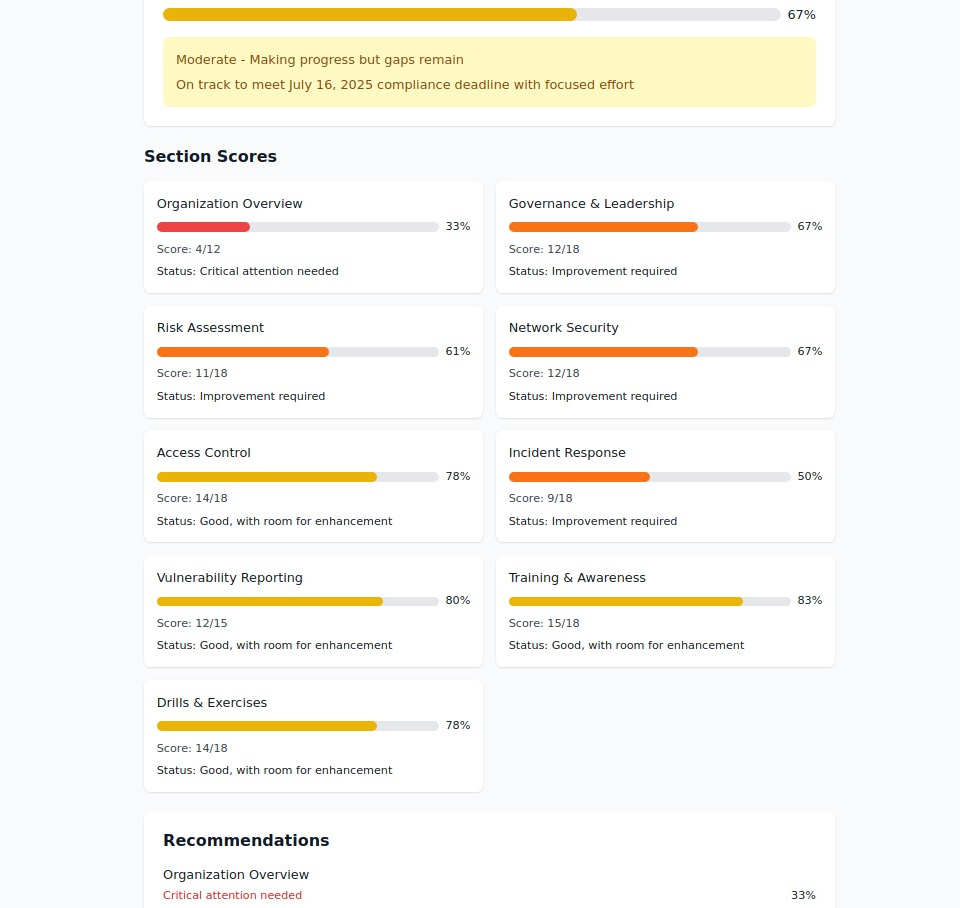
In today’s ever-evolving cyber threat landscape, many organizations operate under a dangerous misconception: the belief that meeting regulatory compliance automatically equates to robust security resilience. This compliance-driven approach, often termed “checkbox security,” can create a deceptive sense of safety, leaving organizations vulnerable to sophisticated attacks despite diligently ticking all the regulatory boxes.
The Peril of “Security Theater”: Compliant, Yet Compromised
Security is fundamentally a trade-off, not an absolute state, involving considerations of cost, time, convenience, and capabilities. Unfortunately, too many organizations implement “security theater” – measures designed to create an impression of safety rather than providing actual protection. These often superficial or ineffective countermeasures, such as outdated security awareness training, excessive reliance on conventional firewalls, or overly complex password policies that aren’t enforced, prioritize appearance over substance.
The dangers of relying on security theater are stark:
- False Sense of Safety: Both employees and the public can become complacent, leading to riskier behavior due to a reduced sense of alertness.
- Increased Vulnerability: Compliant organizations are still getting breached. Statistics reveal that 60% of organizations experiencing significant breaches were fully compliant with relevant regulations, and 82% had passed their most recent audit within six months of the incident.
- Resource Misallocation: Investing in measures that offer spectacle over genuine protection wastes valuable resources that could be better used for actual security enhancements.
Case studies illustrate this point clearly: a financial services company, despite passing all regulatory assessments, failed to detect a novel ransomware attack for 17 days due to a lack of resilience capabilities beyond their compliance checklist. Similarly, a healthcare provider, strictly compliant with data protection, found their incident response plan untested in realistic scenarios when attacked through a supply chain vulnerability, leading to a chaotic breach response. [
SecureCheck - AI Powered Cybersecurity Checklists
Generate, customize, and track AI-powered cybersecurity checklists.

SecureCheck Tools

The Human Element: Why Our Brains Are the “Weakest Link” (and How to Strengthen Them)
A critical, yet often overlooked, vulnerability in security is human behavior. Bruce Schneier, who coined the term “security theater,” highlights that people are “chronically responsible for the failure of security systems”. Our perception of security is not solely based on mathematical probabilities, but also on psychological reactions to risks and countermeasures. This can lead to a divergence between the feeling of security and the reality of security.
Humans are often ill-equipped to make rational security trade-offs in modern society. Our brains, evolved over millions of years to deal with immediate threats in small family groups, are still “in beta testing” for the complexities of modern technological and social environments. We are prone to various biases and heuristics that distort our risk perception:
- Optimism Bias: We tend to believe bad things happen only to others, leading us to ignore security risks that affect other companies.
- Availability Heuristic: We overestimate risks that are vivid, emotional, recently experienced, or widely talked about (e.g., in the news or fictional media), while underestimating common or abstract risks.
- Control Bias: We are more willing to accept risks if we feel we have some control over them.
- Probability Neglect: When emotional content is high, people tend to ignore actual probabilities of risk.
These biases lead to irrational decisions, such as spending vast sums on highly publicized, rare threats while neglecting more common dangers like food poisoning or automobile accidents, despite higher statistical risks.
Shifting to a Security-First Mindset: A Company-Wide Cultural Imperative
To genuinely protect an organization, security must move beyond a mere tick-box exercise and become a core business driver, a “security-first mindset”. This mindset weaves security into every process and at every level, constantly seeking ways to prevent, monitor, and tackle threats. It’s a company-wide necessity; every employee shares responsibility, not just the security team.
Here are key practices to foster a genuine security-first culture:
- Cultivate Company-Wide Responsibility: Security should be a unified effort. Employees must understand their actions’ impact, as even small errors can compromise safety. This proactive approach helps make it extremely difficult for hackers to succeed.
- Ensure Leadership Buy-in and Support: A security-first mindset must originate from the top. Leadership’s active support, from hiring talent to allocating funds for cybersecurity programs, signals its priority across the organization.
- Implement Effective, Engaging, and Continuous Awareness Training: While 98% of organizations conduct security awareness training, annual, lecture-based sessions are largely ineffective, with employees often forgetting content after six months. Instead:
- Measure Awareness: Gauge current employee security awareness to tailor programs to specific needs, such as recognizing phishing emails.
- Make it Engaging: Use videos, interactive modules, quizzes, simulations, and even games with prizes to make training compelling and improve knowledge retention. Princeton University, for example, successfully used a “Cyber Wheel of Fortune” and “Web Cookie Cornhole” to engage employees.
- Contextualize Messaging: Couch information in the audience’s frame of reference, highlighting how risks impact their personal and professional lives.
- Reinforce Regularly: Security training should not be a one-time event; regular updates are essential as the threat landscape evolves.
- Positive Framing: Avoid labeling users as the “weakest link”; instead, frame them as “guardians at the gate,” the “last line of defense,” to foster a positive, proactive mindset.
- Prioritize Continuous Assessment of Effectiveness: Moving beyond just training completion rates, which don’t truly indicate behavior change, is crucial. Organizations should:
- Measure Behavioral Changes: Track metrics such as phishing simulation click rates, user-initiated incident reporting, and security policy violations. Princeton, for instance, saw improved password management and reduced phishing risk after their awareness program.
- Collect Employee Feedback: Use surveys and informal conversations to understand what’s working and identify areas for improvement.
- Integrate Data: Correlate security awareness data with security incident data and other operational data to get a holistic view.
- Benchmark: Compare your organization’s security posture against industry peers and use maturity models to identify areas for growth.
- Embed Security into Operations:
- Involve Security Teams Early: Discuss changes in operations, tools, and architecture with the security team before implementation to address potential risks proactively.
- Codify Policies and Processes: Document security practices clearly to minimize confusion and ensure uniform adherence across the company.
- Practice Zero Trust: Assume no user or system is trustworthy until verified, implementing practices like multi-factor authentication and data encryption.
- Allocate Funds Strategically: Invest in necessary security talent and the latest tools, assessing gaps and allocating funds to address them.
The Path to True Cyber Resilience
The journey from “security theater” to genuine cyber resilience requires a fundamental shift in organizational culture. It means understanding that compliance is merely a baseline, not a destination. By embracing risk assessments, implementing evidence-based strategies, continuously evaluating effectiveness, and, most importantly, fostering a security-first mindset that empowers and educates every employee, organizations can build robust defenses that genuinely protect against the ever-evolving threat landscape. This commitment to a proactive, human-centric security culture is the only way to ensure not just the feeling of safety, but its true reality.